Why Asphalt Driveways Are Worth It: Benefits Every Homeowner Should Know
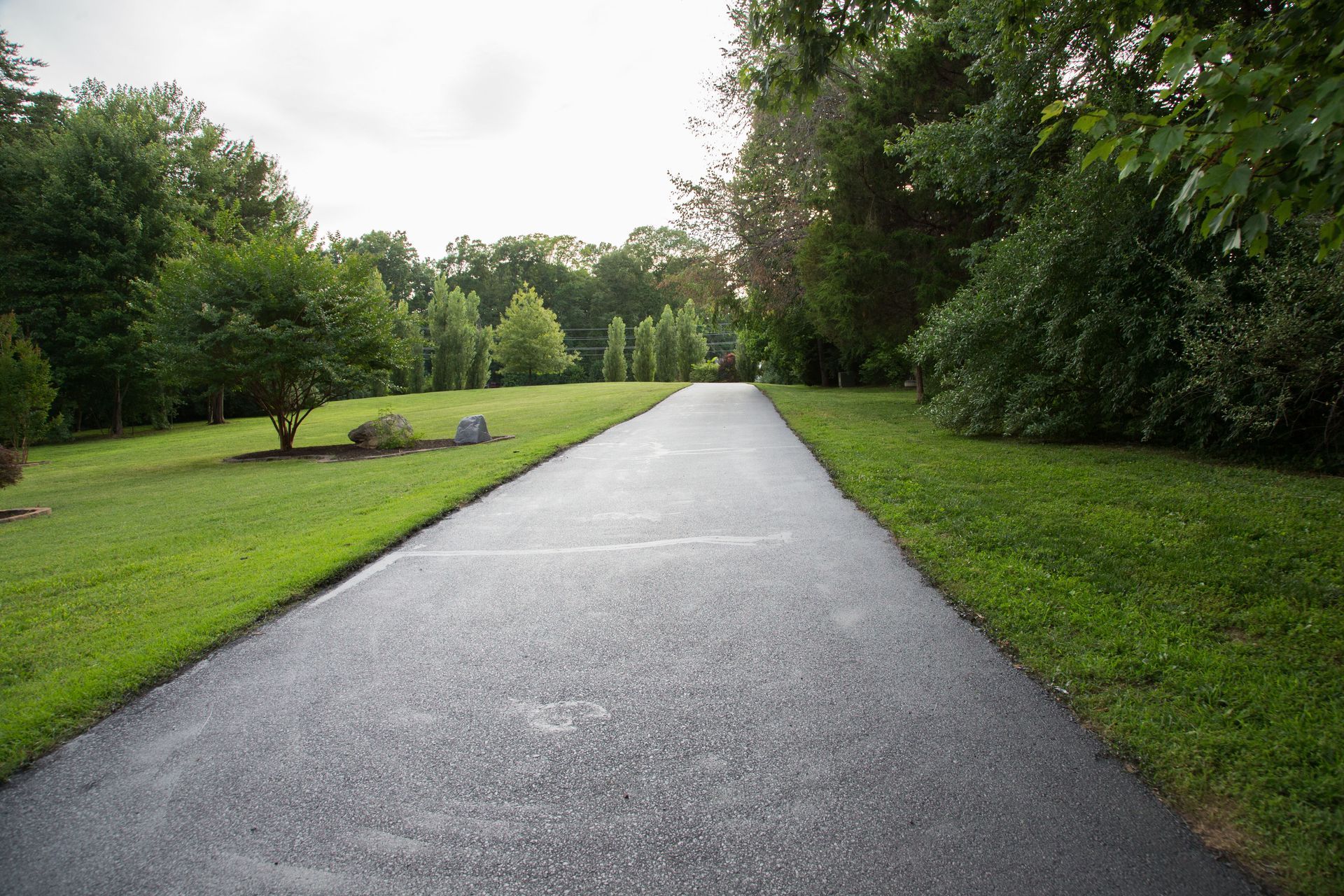
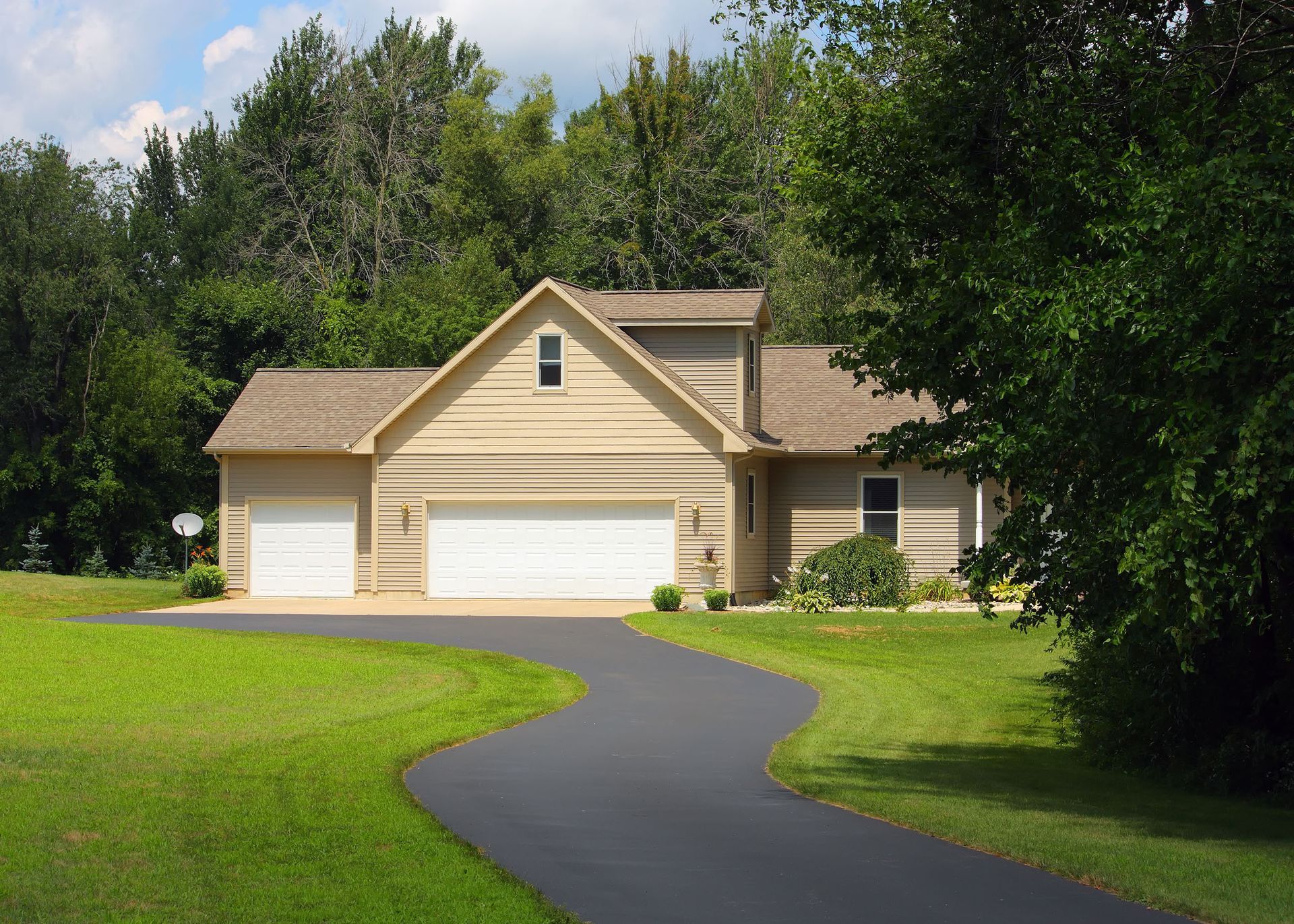
Driveway material selection represents significant home improvement decisions affecting curb appeal, functionality, maintenance requirements, and long-term costs throughout ownership periods. Homeowners considering paving options often weigh asphalt against concrete, gravel, or pavers, questioning which material delivers the best value for their situations. Understanding what asphalt offers helps you recognize why this paving material remains among the most popular choices for residential driveways. The difference between driveways that provide decades of reliable service and those requiring constant attention often comes down to material selection. Learning what benefits asphalt provides empowers you to make informed decisions about protecting your home investment through appropriate driveway choices.
Enjoying Lower Initial Installation Costs
According to Gitnux, approximately 76% of asphalt can be reclaimed and reused in new paving projects, demonstrating environmental benefits. Asphalt installation typically costs 30-50% less than concrete for comparable areas, making it accessible for homeowners with moderate budgets. This cost advantage proves particularly significant for larger driveways where price differences become substantial, affecting what homeowners can realistically afford. The affordability that asphalt offers allows quality paved driveways within budgets that concrete costs might exceed, despite similar functional performance. Well-installed asphalt driveways provide professional appearances and reliable performance at costs substantially below what concrete installation demands for equivalent areas. The installation savings allow homeowners to invest in proper site preparation, adequate thickness, and quality materials, ensuring longevity within reasonable budgets. The cost efficiency they deliver makes professional paved driveways accessible rather than forcing compromises with gravel or delaying projects indefinitely, awaiting budgets.
Benefiting From Quick Installation and Curing
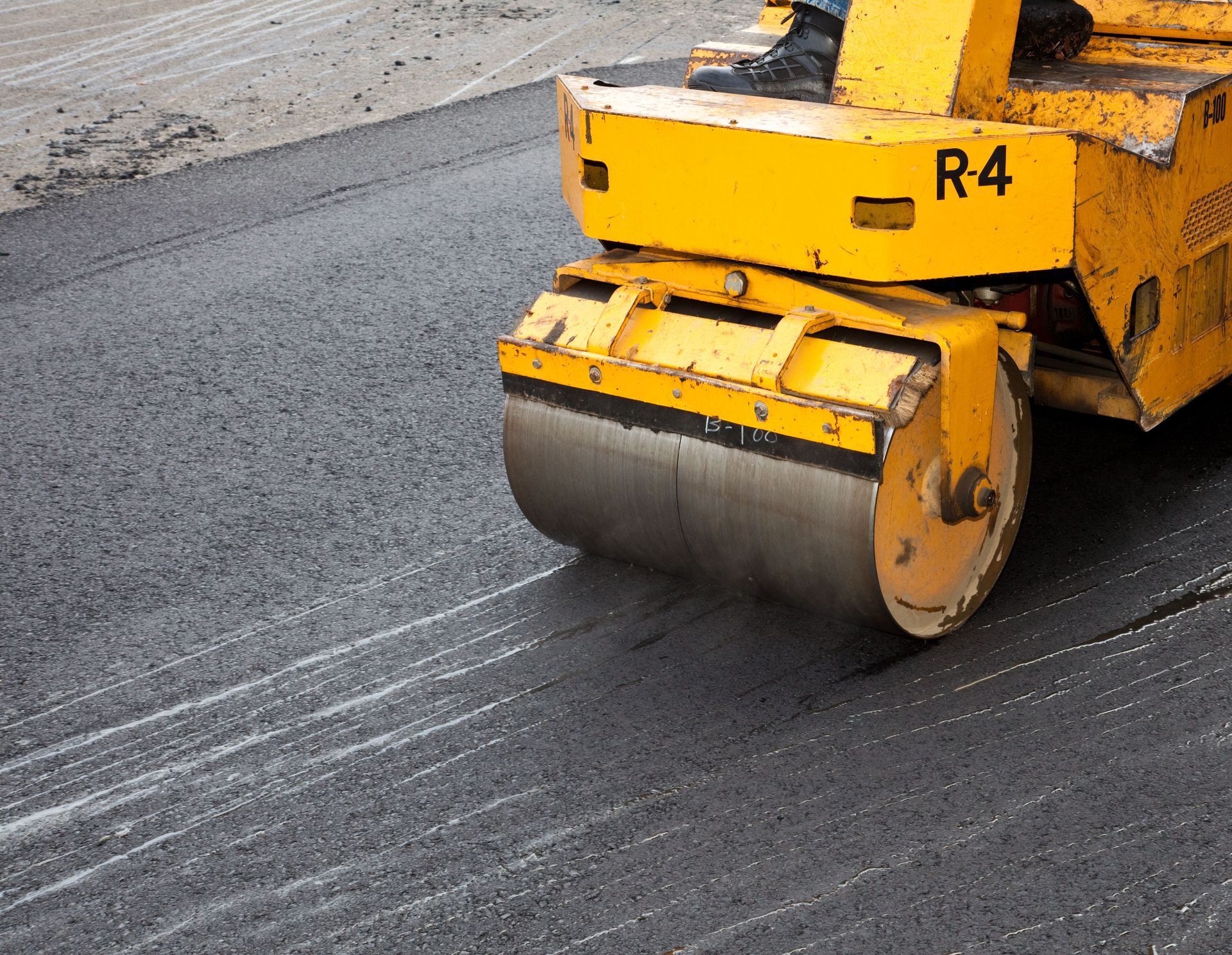
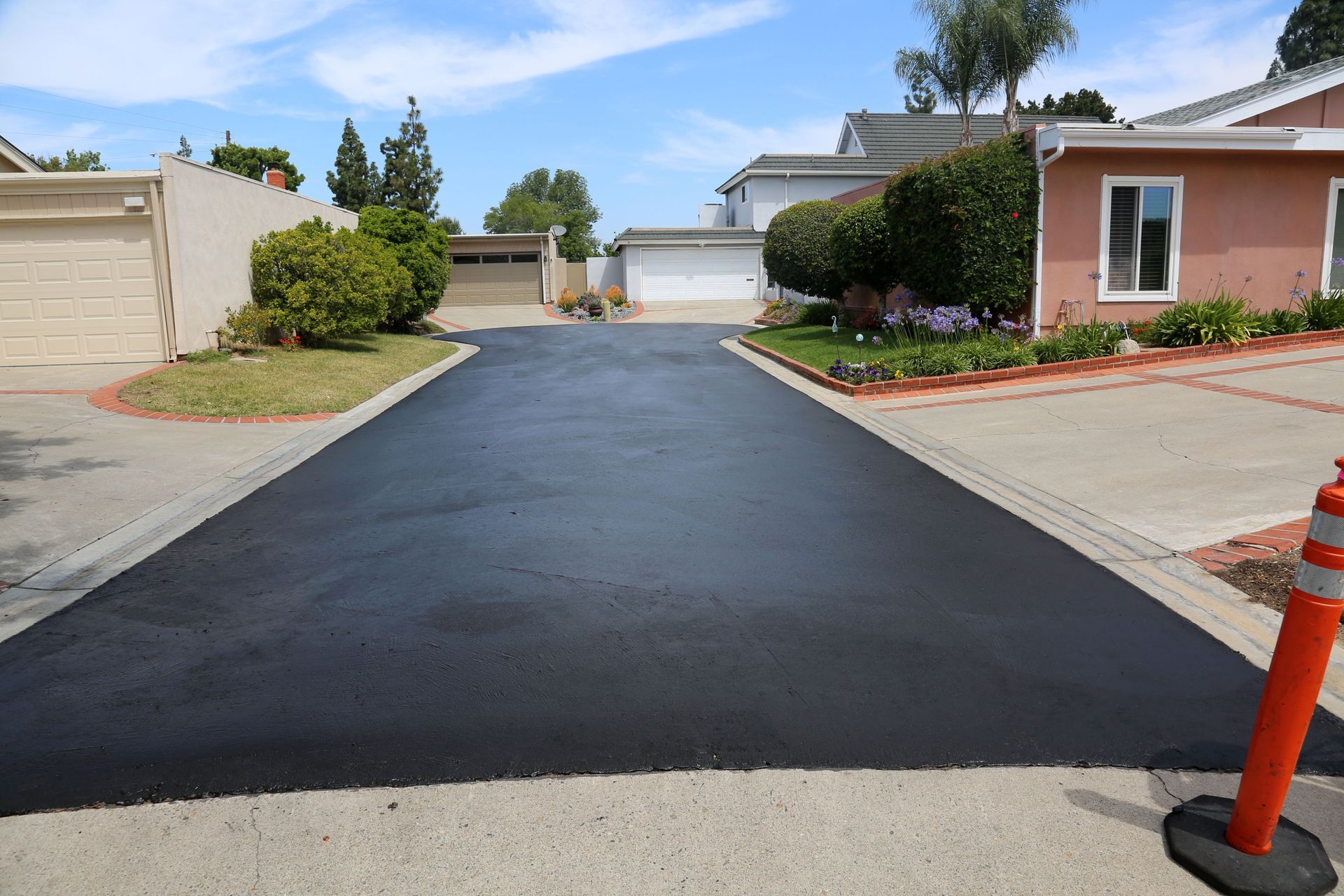
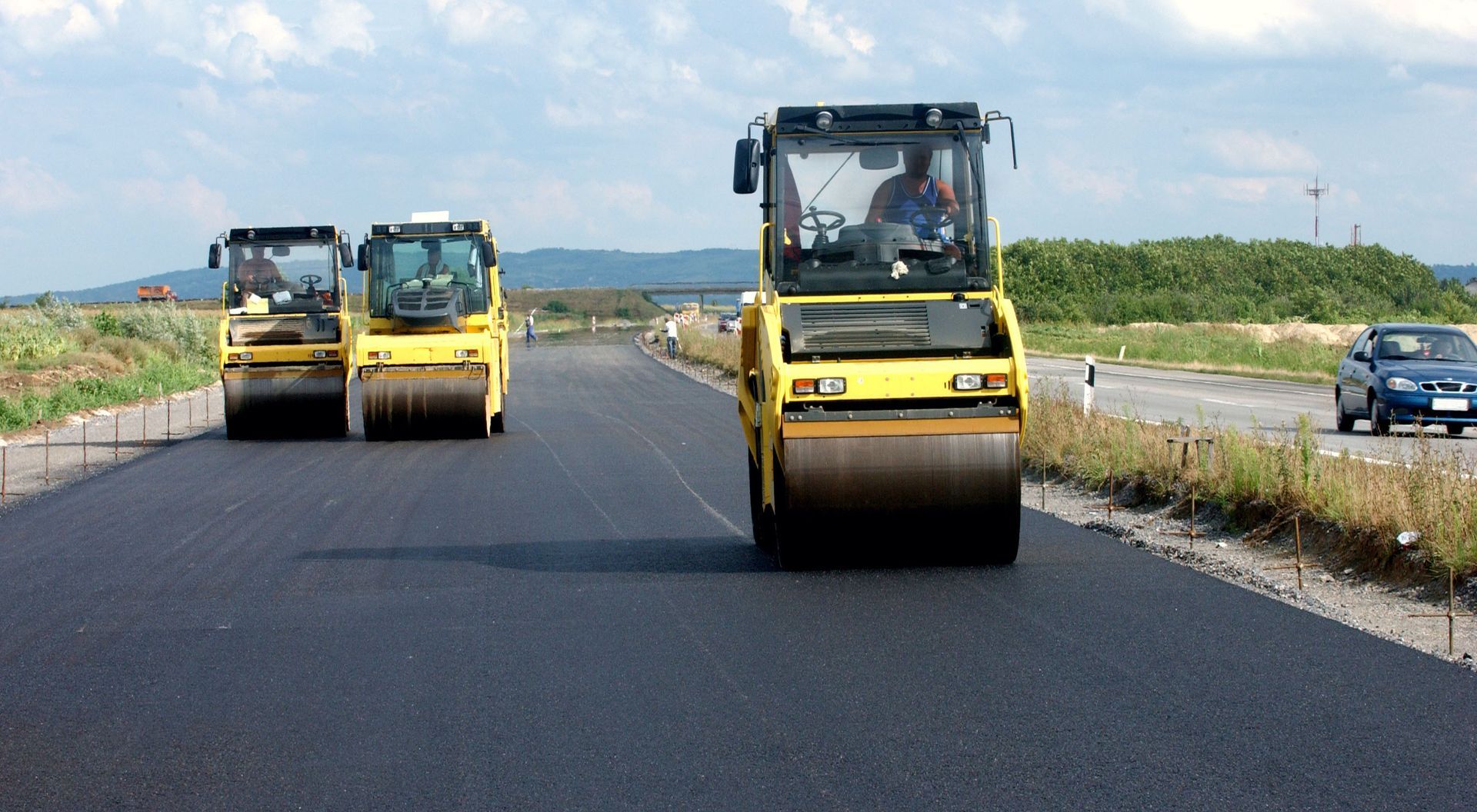
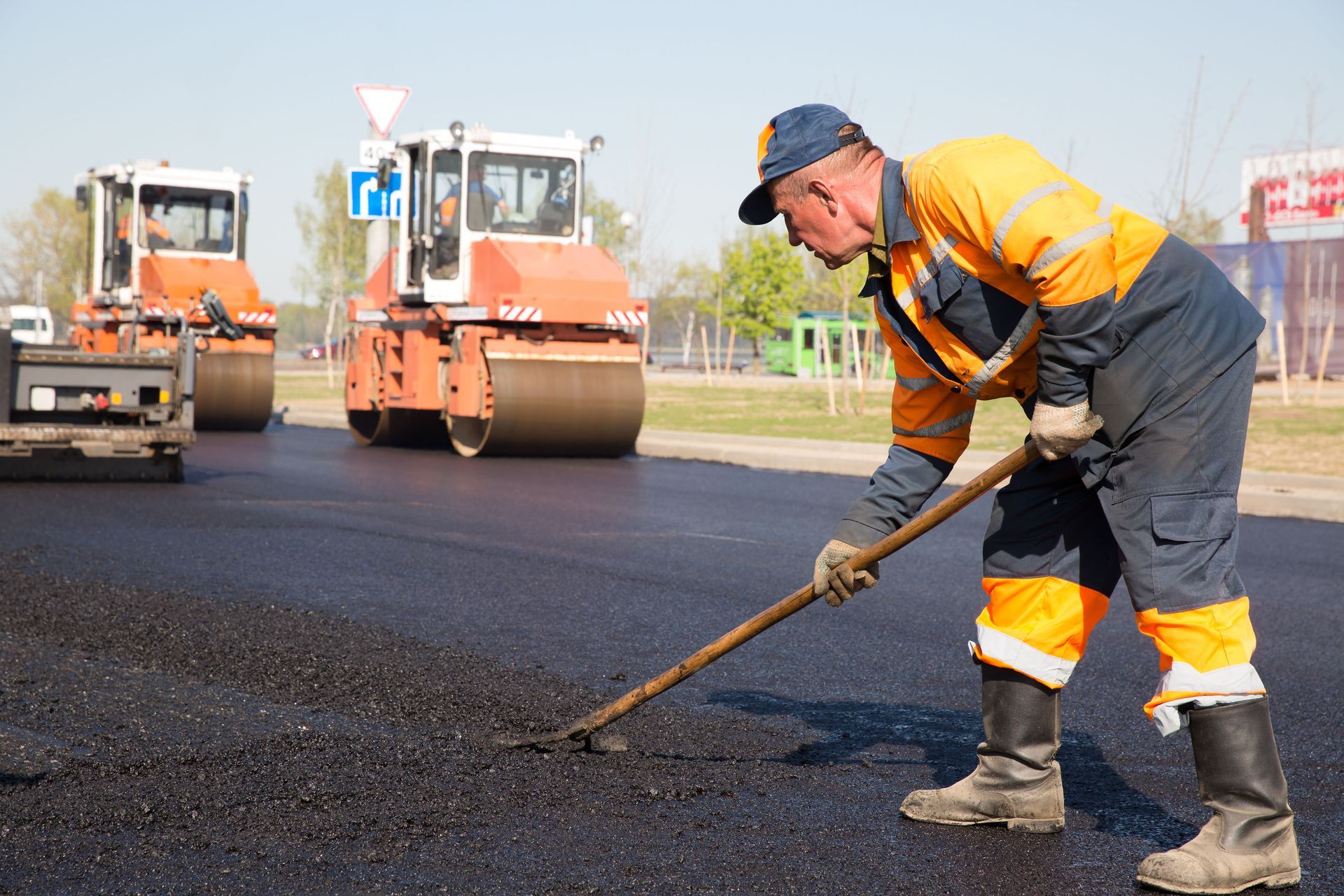
Asphalt cures within 24-48 hours, allowing vehicle use far sooner than concrete requiring week-long curing before bearing traffic safely. This quick turnaround minimizes disruption to daily routines, reducing the inconvenience that extended installation periods create for households and families. The installation speed that asphalt provides proves particularly valuable when driveways require replacement rather than new installation, affecting access during work. Quickly installed asphalt driveways restore property access within days rather than the weeks that concrete curing demands before vehicles can safely use surfaces. Professional installation is completed efficiently, with most residential driveways finishing within one or two days, depending on size and site preparation requirements. The minimal disruption they create allows normal life to resume quickly, rather than extended periods without driveway access that concrete installations necessitate.
Appreciating Smooth, Quiet Driving Surfaces
Asphalt creates smooth surfaces that vehicles travel across quietly, without the noise that textured concrete or loose gravel generates during use. This quiet operation enhances neighborhood tranquility, particularly important for homes where driveways sit near bedrooms or living areas affected by noise. The smooth ride quality that asphalt provides reduces vehicle wear while creating pleasant driving experiences that rough alternatives cannot match consistently. Smooth driveways provide quiet vehicle operation that neighbors appreciate while reducing the noise pollution that gravel driveways create unavoidably during use. The seamless surfaces eliminate the joints that concrete includes, creating continuous driving planes without the bumps that expansion joints create periodically. The ride quality they deliver enhances comfort while demonstrating the attention to quality that smooth, professionally installed driveways represent throughout neighborhoods.
Requiring Straightforward Maintenance and Repairs
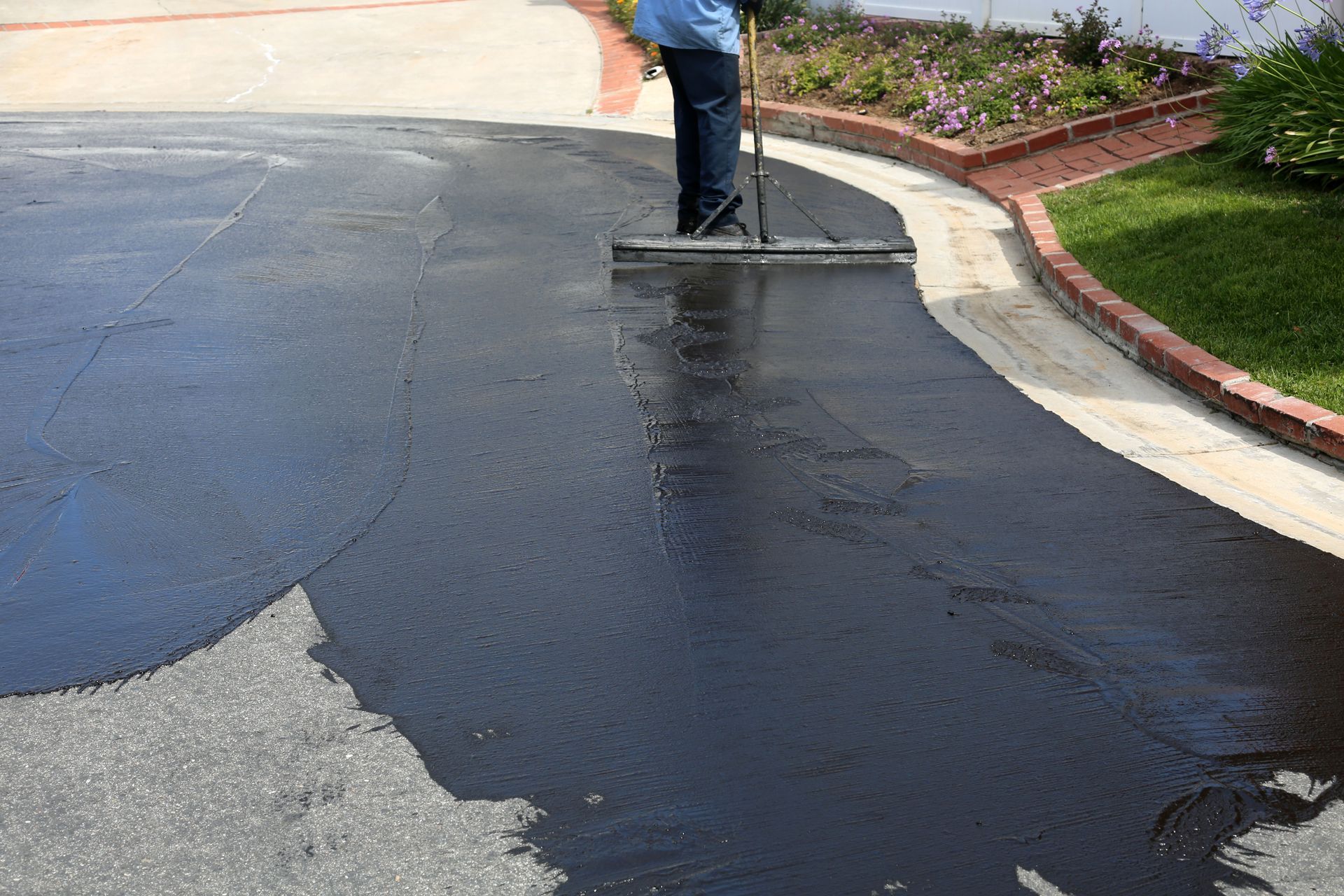
Asphalt maintenance involves periodic sealcoating every 2-3 years, a straightforward process that protects surfaces from weather and extends lifespan substantially. Minor repairs, including crack filling and pothole patching, prove simple and inexpensive, preventing small problems from becoming major failures requiring replacement. The maintenance simplicity that asphalt offers suits homeowners wanting functional driveways without demanding upkeep routines that some materials require for longevity. Maintainable asphalt driveways need only periodic sealcoating and minor crack repairs, maintaining excellent condition throughout decades of service and daily use. Sealcoating costs prove modest compared to driveway replacement, making this preventive maintenance economically sensible for protecting paving investments over time. The ease of repair they offer allows addressing damage promptly without the expense that concrete repair demands when problems develop, requiring professional intervention.
Withstanding Freeze-Thaw Cycles Effectively
Asphalt's flexibility allows it to expand and contract with temperature changes without the cracking that rigid concrete suffers during freeze-thaw cycles. This flexibility proves particularly valuable in northern climates where seasonal temperature extremes create conditions that concrete cannot tolerate without eventual damage. The climate adaptability that asphalt demonstrates makes it ideal for regions experiencing harsh winters that rigid paving materials struggle withstanding in the long term. Climate-resilient asphalt driveways flex with temperature changes rather than cracking like concrete when freeze-thaw cycles create expansion and contraction stresses repeatedly. The material's inherent flexibility accommodates ground movement and temperature variations that would crack rigid surfaces despite proper installation and maintenance efforts. The durability they demonstrate in challenging climates proves why asphalt dominates in regions where winter conditions destroy concrete driveways, requiring frequent replacement.
Melting Snow and Ice Faster Than Alternatives
Asphalt's dark color absorbs solar heat, melting snow and ice faster than light-colored concrete that reflects rather than absorbs warmth. This melting advantage improves safety during winter months, reducing the ice accumulation that creates dangerous conditions despite shoveling and salting efforts. The snow-clearing benefit that asphalt provides proves particularly valuable in climates where frequent winter precipitation creates ongoing driveway management challenges throughout the seasons. Winter-friendly asphalt driveways melt snow faster than concrete alternatives, reducing the ice formation that creates hazardous conditions despite regular snow removal efforts. The heat absorption accelerates melting, often clearing driveways naturally when sunlight follows snowfall rather than requiring constant shoveling and chemical applications. The winter performance they deliver enhances safety while reducing the maintenance burden that snow and ice create throughout extended cold seasons.
Offering Easy Resurfacing When Needed
Worn asphalt can be resurfaced by adding new layers over existing bases, extending life economically without complete removal and replacement. This resurfacing option proves far less expensive than replacement, providing like-new surfaces at fractions of installation costs when bases remain sound. The renewal capability that asphalt offers allows periodic refreshing, maintaining excellent appearance and function throughout extended ownership periods economically and practically. Renewable asphalt driveways can be resurfaced rather than completely replaced when surfaces wear while structural bases remain intact and functional underneath. Resurfacing costs substantially less than replacement, providing smooth new surfaces that deliver decades more service without the expense that complete reconstruction requires. The economic renewal they allow extends driveway life indefinitely through the periodic resurfacing that maintains quality without prohibitive replacement costs ever.
Providing Excellent Traction in Various Weather
Asphalt's slightly rough texture provides good traction for vehicles and pedestrians, reducing slip risks that smooth concrete creates when wet. This traction advantage proves particularly important on sloped driveways, where traction affects whether vehicles can ascend safely during various weather conditions. The grip that asphalt surfaces provide enhances safety for both vehicles and people using driveways throughout all seasons and weather, affecting conditions. Safe asphalt driveways offer traction that prevents the slipping that smooth concrete surfaces create when wet, icy, or covered with leaves. The textured surface provides the grip that vehicles need for starting on slopes while giving pedestrians a secure footing when walking across driveways. The safety they deliver through reliable traction proves particularly valuable for families with children or elderly members requiring secure walking surfaces year-round.
Understanding asphalt driveway benefits helps homeowners recognize why this paving material delivers exceptional value for residential applications and long-term satisfaction. The combination of affordability, durability, and practical advantages that asphalt provides proves difficult for alternative materials to match comprehensively. Making informed driveway material decisions ensures your property receives paving delivering the performance, appearance, and longevity that quality asphalt installations offer. Whether you need asphalt paving, residential paving, commercial paving, residential sealcoating, municipal paving, commercial sealcoating, or municipal sealcoating, Fulena Pavers brings 38 years of experience, provides professional service and free quotes, and is Western PA's premier asphalt paver. For more information, contact us today!

Share On: