Paving Contractors and You: What to Expect
This article provides a comprehensive guide on what to expect when hiring paving contractors. Whether you're planning to install a new driveway, patio, or any other paving project, understanding the process and engaging with experienced professionals is crucial. By delving into the nuances of various contractor services, you'll gain insights that ensure you make informed decisions. The content covers questions on service options, material choices, and financial considerations, while shedding light on the intricacies of hiring and managing a paving project. We also explore challenges that often arise with paving endeavors and deliver strategies for overcoming them, all rounded off with insights into future trends in paving.
Understanding Paving Contractor Services
Paving contractors offer a wide range of services tailored to residential and commercial needs. Residential projects such as driveways and patios emphasize aesthetic appeal and durability, providing homeowners with surfaces that enhance their property value. Expert contractors can customize these projects to fit the homeowner’s vision, using various designs and materials. In contrast, commercial paving solutions prioritize functionality and efficiency, covering expansive areas like parking lots and roadways. These projects often require more robust materials and advanced techniques to accommodate heavier traffic and longer-term use.
Cost is an essential factor when considering paving projects, and homeowners must analyze the value offered by different options. Initial investment in quality materials and skilled labor may be higher, but it can lead to reduced maintenance costs and extended lifespan. Paving contractors help clients understand these financial aspects, offering detailed quotations that discuss both upfront and hidden costs. They can also provide custom design options that balance cost with aesthetics, ensuring that the customer’s budget is maximized. Personalizing the paving experience involves considering the project's specific requirements and any long-term benefits or savings associated with different materials and designs.
The Process of Hiring a Paving Contractor
The first step in hiring a paving contractor is conducting thorough research to identify reputable service providers. Online reviews and recommendations from friends or industry acquaintances can aid in compiling a list of potential contractors. As part of the research phase, it’s crucial to check the contractor's certifications and relevant experience to ensure they meet the project’s specific needs. Additionally, it's essential to verify their professional affiliations and continued education in the field, which reflect their commitment to industry standards. Utilizing these tools and tips helps in narrowing down the options to credible contractors capable of delivering quality work.
Once potential contractors are identified, effectively requesting and comparing quotes is the next step. This involves soliciting detailed proposals from multiple contractors, which should encompass the scope of work, pricing, timeline, and materials to be used. Comparing these quotes requires more than just a cost analysis; it necessitates an evaluation of the value offered by each proposal. Critical factors include the warranty provided, previous project examples, and the contractor’s approach to handling unforeseen challenges. Through this meticulous comparison, homeowners can select a contractor who delivers both quality and peace of mind for their paving project.
What to Expect During the Paving Process
The paving process commences with an initial site assessment where contractors evaluate the area slated for paving. This evaluation involves analyzing soil composition, drainage concerns, and other site-specific issues that could impact the project’s success. Precise measurements and planning ensure effective material estimation and timeline projection. During this phase, the contractor may also provide recommendations for any necessary site modifications or preparations. Understanding these initial steps helps homeowners appreciate the groundwork laid for a successful and lasting paving project.
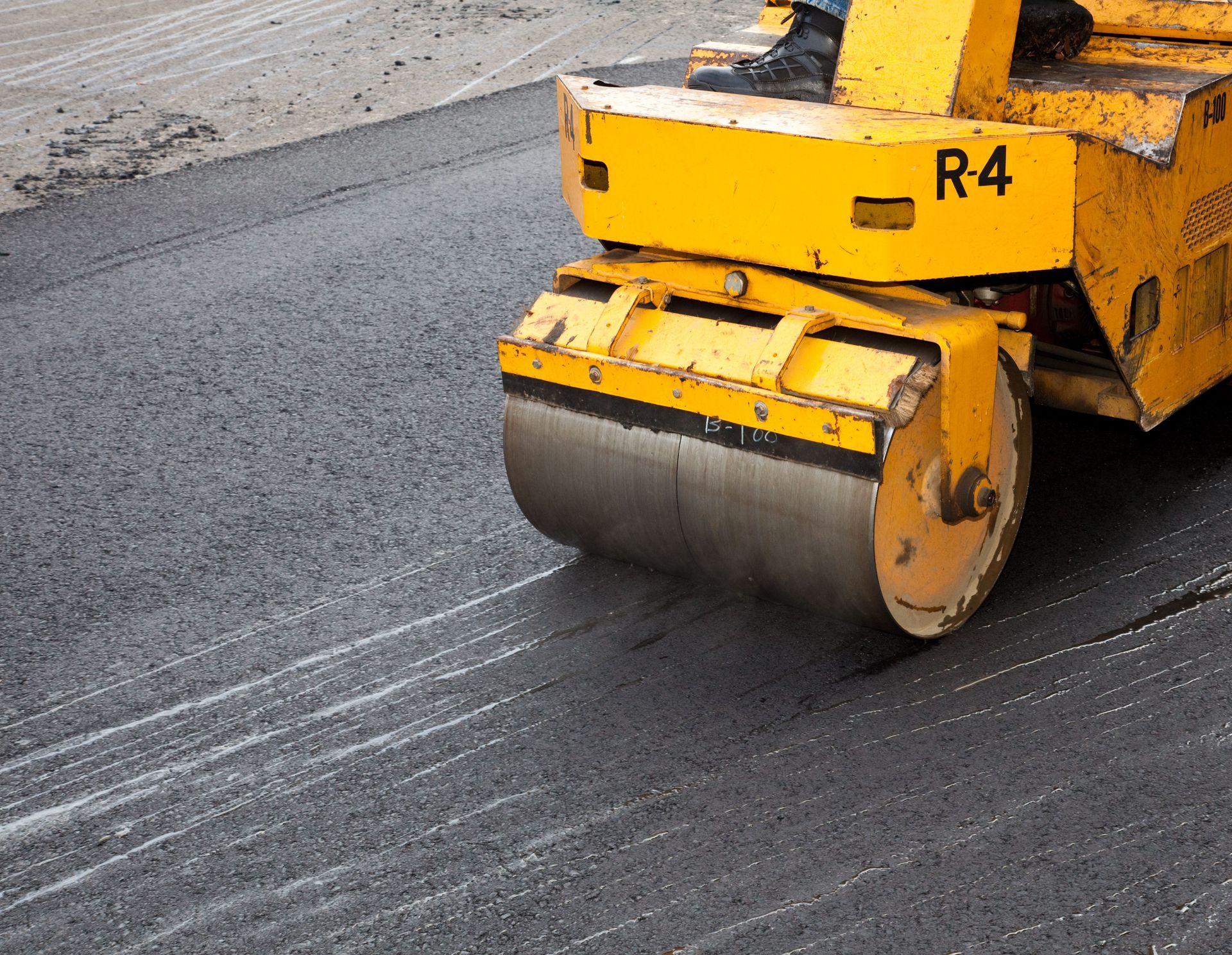
Next, preparing the site involves groundwork that sets the foundation for the paving project. Clearing the area of debris and existing vegetation is typically the first task, followed by grading to enhance drainage and prevent water accumulation. Mechanical or manual compaction ensures a stable base, essential for preventing future pavement failures. Should any underground utilities exist, paving contractors need to coordinate with relevant entities for safe handling. Well-executed site preparation is crucial as it directly affects the project’s durability and performance.
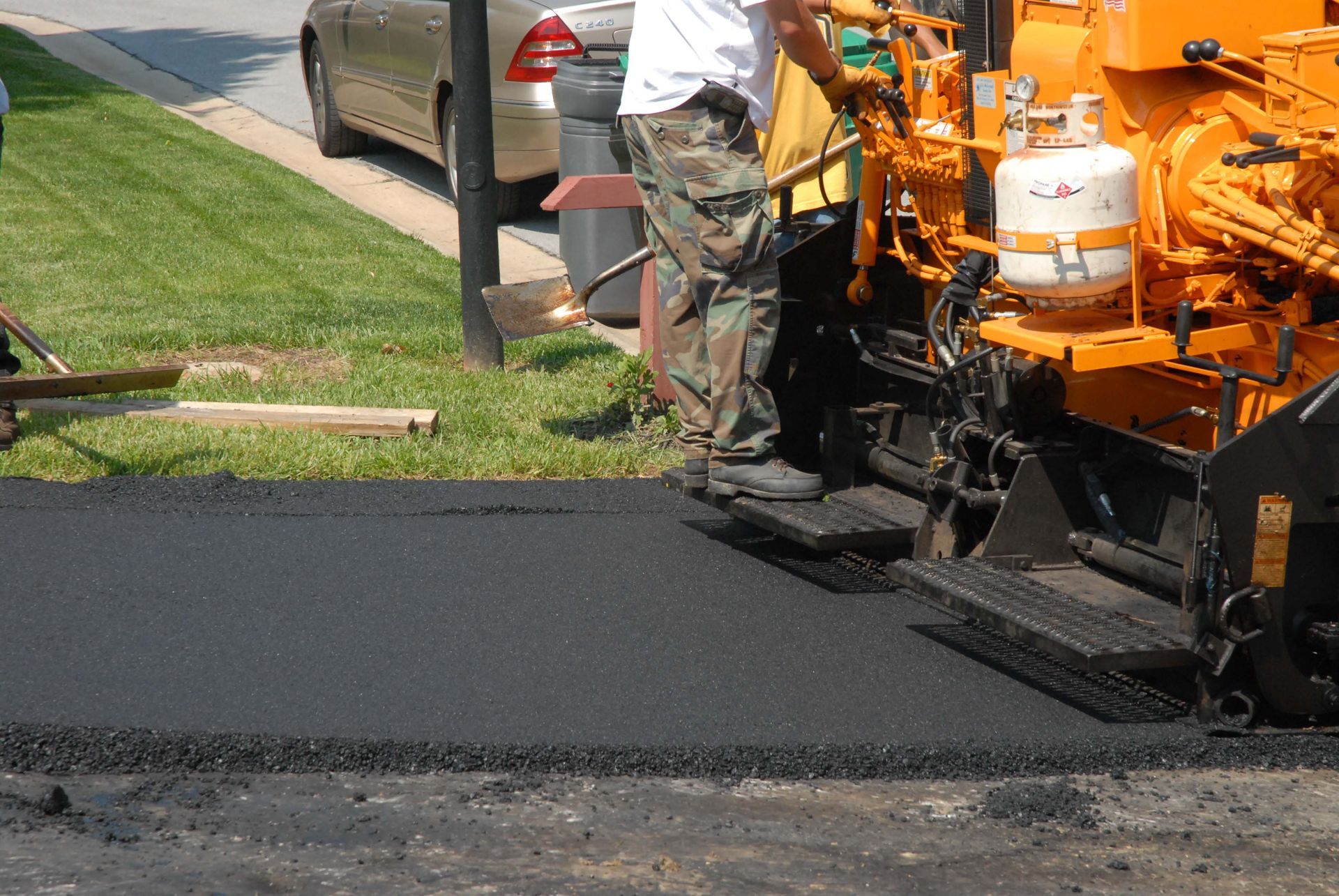
With the site adequately prepared, installing the base layer is the subsequent step in the paving process. This layer is crucial as it supports the final paving material and distributes loads, offering stability and longevity. Proper installation of the base layer involves layering compacted crushed stone or gravel, followed by precise leveling to ensure uniformity. Contractors then proceed to lay the selected paving material, be it asphalt, concrete, or paving stones, using specialized equipment and expertise. The accuracy and attention given at this stage enable the paved surface to fulfill its intended function effectively.
Common Challenges and How to Overcome Them
Weather delays are often a significant challenge in paving, especially in regions prone to unpredictable weather patterns. Rain, extreme temperatures, and snow can halt progress and compromise the integrity of materials if not managed correctly. Strategic planning and proactive communication with contractors can mitigate weather-related disruptions. Contractors may suggest using weather-resistant materials or implementing temporary protective measures to safeguard ongoing work. By anticipating weather impacts, schedules can be adjusted, ensuring projects stay on track despite potential interruptions.
Communication breakdowns between paving contractors and clients can hinder progress and lead to costly mistakes. Establishing clear communication channels with regular updates ensures all parties are aligned on the project timeline and milestones. Designating a point of contact within the contracting team can streamline communications and address questions or concerns efficiently. Contractors committed to transparency foster an environment where differences are resolved quickly and collaboratively. This approach minimizes delays and facilitates a successful partnership throughout the project’s duration.
Future Trends in the Paving Industry
The paving industry is continuously evolving with innovative materials and techniques that promise enhanced performance and sustainability. According to Omni Calculator, asphalt can have a lifespan of up to 20 years if properly installed. Advances in recycling allow for the incorporation of reclaimed asphalt or concrete, reducing the environmental footprint of paving projects. Permeable pavements that diminish stormwater runoff are growing in popularity, offering a wise investment for environmentally conscious clients. As technology progresses, new compounds providing superior elasticity and resilience in extreme weather conditions are being introduced. By staying abreast of these advancements, homeowners can make informed decisions that align with modern standards and practices.
Eco-friendly practices are increasingly shaping the paving landscape, driven by both consumer demand and regulatory changes. The rise of sustainable paving solutions emphasizes the use of green technologies, such as energy-efficient equipment and materials sourced from renewable resources. This shift is not only beneficial for the environment but also offers cost savings through improved durability and reduced maintenance requirements. Contractors who adopt these practices can offer competitive advantages while contributing positively to the ecosystem. Whether through decreased pollution or enhanced resource efficiency, eco-friendly practices enrich modern paving solutions.
Technology in project management is transforming how paving projects are conducted, from planning to execution. Digital tools and software facilitate advanced design modeling, precise material estimation, and efficient scheduling, streamlining projects and enhancing accuracy. Furthermore, technology enables improved communication and project tracking, providing real-time updates and ease of adjusting plans as needed. For paving contractors, integrating technology optimizes resource management and reduces error margins, promoting efficiency and cost-effectiveness. Consequently, embracing digital innovation is a strategic move that increases client satisfaction and project success.
Summarizing the key points of engaging with paving contractors, this article emphasizes the importance of informed decision-making and proactive involvement. Whether you're embarking on your first paving project or are a seasoned renovator, understanding the scope, challenges, and future trends in paving is essential for achieving your desired results. By assessing contractor services, materials, costs, and navigating the nuanced process of hiring professionals, you’ll be better equipped to overcome common challenges. Moreover, aligning with the latest industry trends ensures your project not only meets current demands but also embraces innovation and sustainability. Ultimately, a successful paving project enhances both the value and functionality of your property, reflecting careful planning and expert execution. Reach out to Fulena Pavers today to see how we can help you!






Share On: