How Commercial Paving Can Incorporate More Sustainable Asphalt Materials
Sustainability in asphalt paving does not require sacrificing the durability, safety, or performance a commercial property needs. In many projects, the biggest opportunities come from using materials more efficiently, reusing existing pavement where appropriate, lowering production temperatures, and maintaining asphalt so it remains serviceable for as long as possible.
At Fulena Pavers, we provide commercial paving throughout Western Pennsylvania and Eastern Ohio for parking lots, roadways, driveways, and other paved surfaces. Businesses interested in more sustainable pavement can benefit from understanding how recycled materials, warm-mix technologies, milling, resurfacing, drainage, and maintenance can fit into a practical paving plan.
Start With the Existing Pavement
The most sustainable project is not always the one that removes everything and starts over. Before deciding on full replacement, a contractor can evaluate whether the existing pavement has enough structural value to support repair, milling, or resurfacing.
Cracks, potholes, edge failure, drainage problems, and widespread base deterioration do not all require the same response. A parking lot with localized surface wear may be a candidate for targeted repair, while deeper structural failure may require removal and reconstruction.
Fulena Pavers provides asphalt repair, resurfacing, removal, replacement, and milling, allowing the scope of work to be matched to the condition of the site rather than automatically choosing the most material-intensive option.
Reuse Asphalt Through Milling and Recycling
Existing asphalt can be a valuable material rather than simply construction waste. Milling removes a controlled depth of pavement and produces reclaimed asphalt pavement, commonly called RAP. That material can be processed and reused in new asphalt mixtures or other approved construction applications.
Fulena Pavers lists milling as part of its commercial paving services and identifies the process as asphalt recycling. For property owners, milling can also help correct surface elevation, remove deteriorated material, and prepare an existing lot for resurfacing.
The amount of recycled material suitable for a specific mix depends on project specifications, mix design, supplier capabilities, and performance requirements. Recycled content should therefore be treated as an engineered material choice rather than simply adding as much reclaimed asphalt as possible.
Consider Warm-Mix Asphalt Technologies
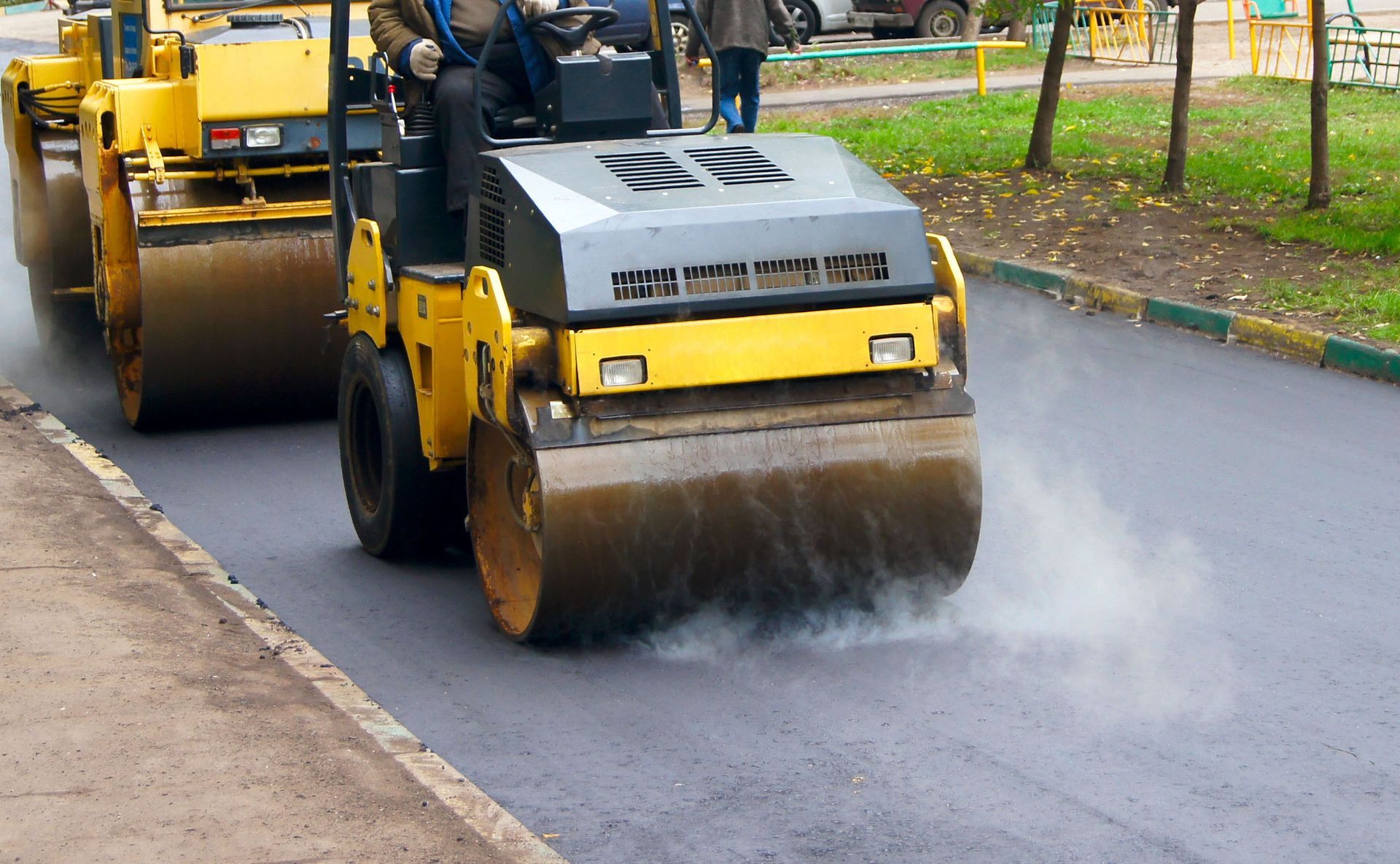
Traditional hot-mix asphalt is produced at elevated temperatures so the binder and aggregate can be mixed, transported, placed, and compacted properly. Warm-mix asphalt technologies are designed to allow production and placement at lower temperatures while still meeting applicable performance requirements.
According to the National Asphalt Pavement Association, 40.2% of asphalt mixtures produced nationwide used warm-mix asphalt technologies, which can reduce energy consumption during production. NAPA's current industry data also shows that warm-mix technology has become a substantial part of asphalt production rather than a niche practice.
Whether warm-mix asphalt is appropriate for a specific project depends on the producer, mix design, specifications, weather, hauling distance, and site conditions. Businesses can ask their paving contractor whether suitable warm-mix options are available for the planned work.
Match the Mix to Traffic and Site Conditions
Sustainable material choices still need to produce pavement capable of handling the property. A lightly used office lot and a busy retail center with delivery trucks may require different pavement structures, base preparation, and asphalt mixtures.
Choosing a mix that is not suited to the expected traffic can lead to premature rutting, cracking, or other deterioration. That can erase environmental gains if the pavement has to be repaired or replaced much sooner than planned.
A sound commercial paving plan considers vehicle types, traffic frequency, loading areas, turning movements, drainage, soil conditions, and the condition of the existing base. Durability is part of sustainability because longer-lasting pavement uses resources more efficiently over its service life.
Use Resurfacing When Conditions Allow
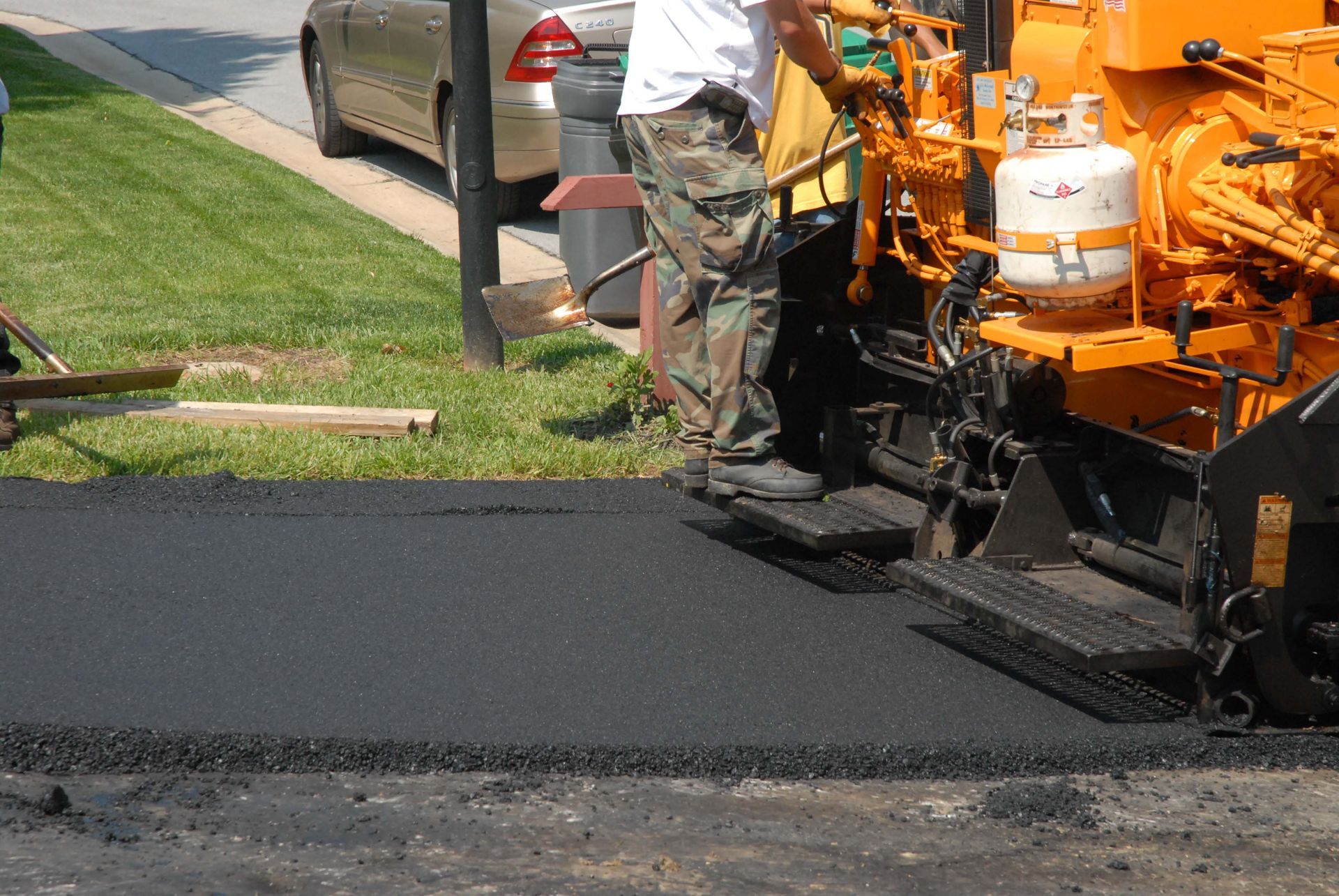
Resurfacing can restore an aging asphalt surface without rebuilding every layer of the pavement. Depending on existing conditions, damaged areas may be repaired and the surface may be milled or prepared before a new asphalt layer is placed.
This approach can preserve portions of the existing pavement structure, reduce the amount of material removed, and limit the scope of excavation compared with complete reconstruction. It can also shorten disruption to businesses when the base remains suitable for continued service.
Resurfacing is not appropriate when the underlying pavement has extensive structural failure. A contractor should evaluate the base and drainage before recommending an overlay so existing problems are not simply covered by new asphalt.
Control Water to Protect the Pavement Investment
Water management is an important part of sustainable pavement design because poor drainage can shorten pavement life. Standing water can enter cracks and weak areas, while inadequate grading may contribute to erosion or weakening beneath the asphalt.
Fulena Pavers incorporates grading, excavation, paving, and repair services into larger projects. Correcting drainage issues before new pavement is installed can help the finished surface perform more reliably and reduce avoidable repairs later.
On a commercial property, drainage planning may include adjusting slopes, evaluating low areas, coordinating with existing stormwater features, and making sure the finished pavement directs water appropriately.
Extend Pavement Life With Preventive Maintenance
Sustainability continues after installation. Asphalt that is maintained before deterioration becomes severe may remain serviceable longer, reducing the frequency of major reconstruction projects.
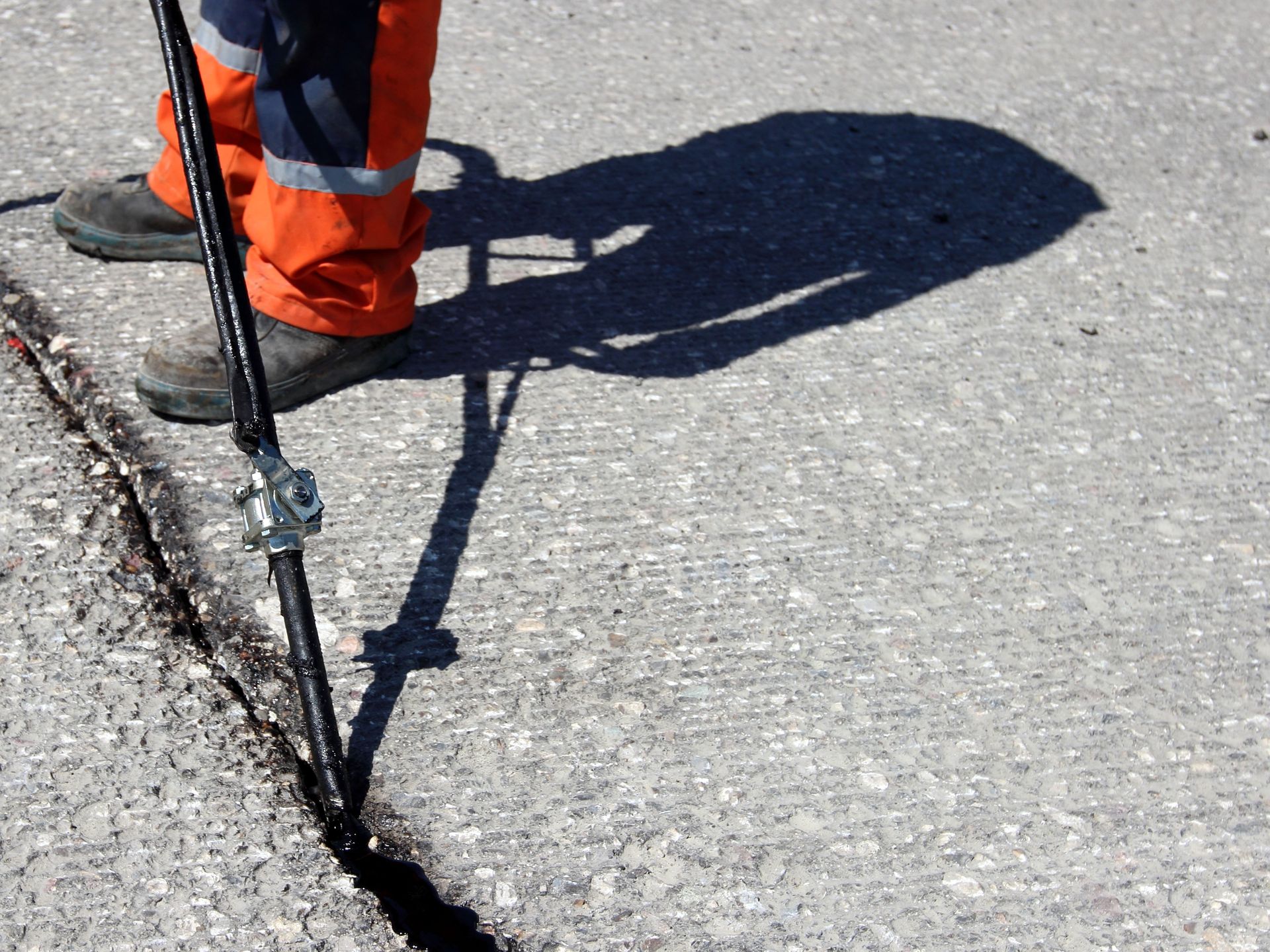
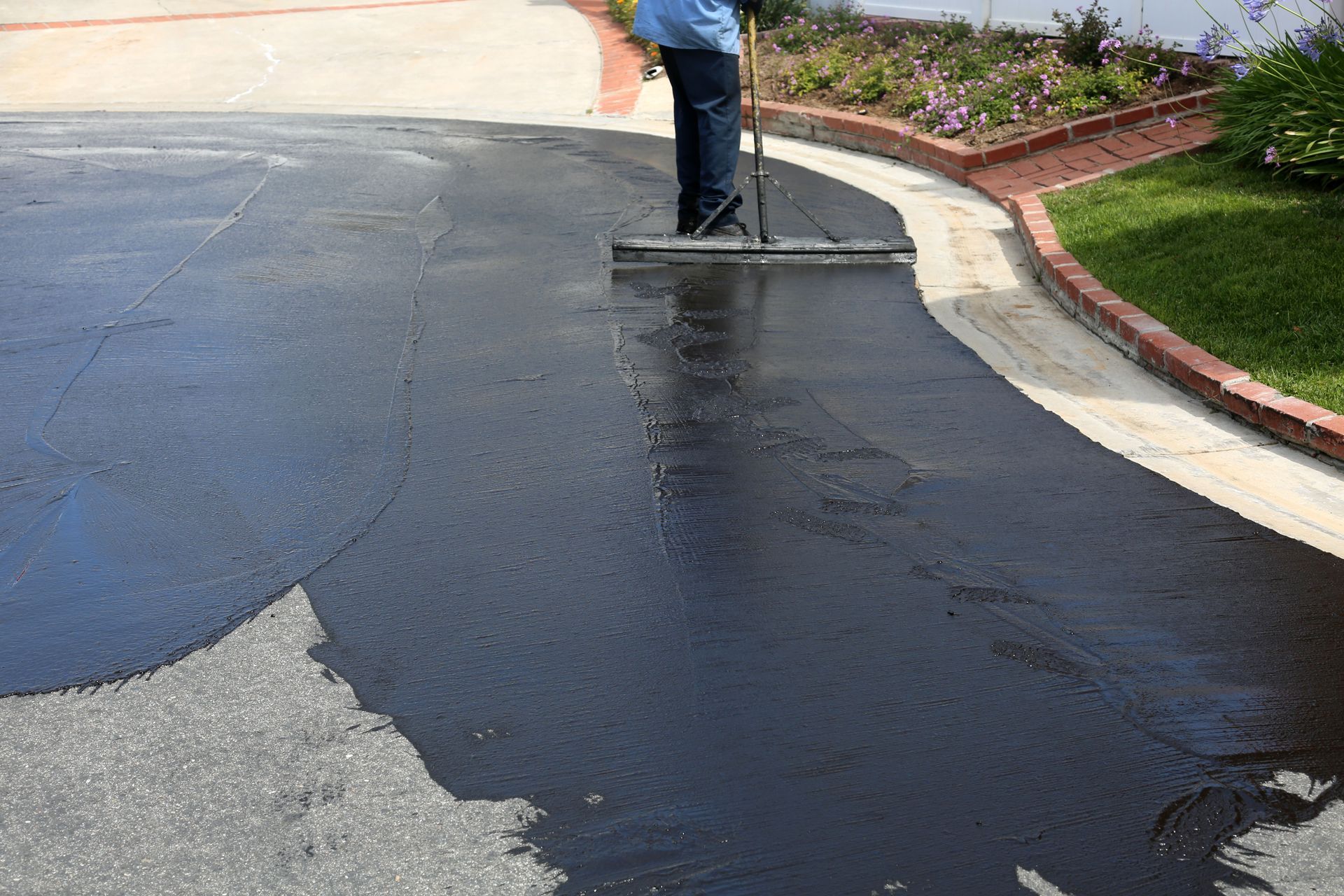
Fulena Pavers and its subsidiary, Superior Asphalt Maintenance, provide crack sealing and sealcoating for commercial asphalt. Crack sealing can help limit water infiltration through suitable cracks, while sealcoating can protect appropriate asphalt surfaces from sunlight, moisture, road salt, oil, and gasoline exposure.
Preventive maintenance cannot repair failed pavement or an unstable base, but it can be useful when the surface remains structurally sound. A maintenance schedule should be based on actual condition, traffic, climate, and prior repairs rather than applied automatically.
Reduce Waste Through Better Project Planning
Material efficiency also depends on planning. Accurate measurements, appropriate pavement thickness, clear phasing, and realistic scheduling can help reduce unnecessary material use and avoid rework.
For commercial paving, property owners should review:
- Existing conditions: Determine which pavement can remain and which areas need removal.
- Recycled content: Ask whether RAP or other approved recycled materials can be used in the specified mix.
- Production method: Discuss whether warm-mix asphalt is available and suitable for the project.
- Drainage: Correct water problems that could shorten pavement life.
- Maintenance: Plan for crack repair, sealcoating, and future resurfacing when appropriate.
A well-defined scope can reduce unexpected changes once equipment and materials are already on site.
Focus on Long-Term Performance, Not Sustainability Claims Alone
Terms such as recycled, warm-mix, and sustainable are useful only when the pavement still meets the performance needs of the property. Business owners should ask how a proposed material choice affects durability, maintenance, installation conditions, and expected service.
The right solution may combine several approaches. A project could reuse milled asphalt through the material supply chain, specify a mix containing reclaimed material, use warm-mix technology where appropriate, correct drainage, and establish a maintenance plan that delays future replacement.
That whole-system view is more useful than selecting one environmentally focused feature without considering how the entire pavement will perform.
Plan a More Resource-Conscious Paving Project
More sustainable asphalt paving is often about using existing resources intelligently. Recycling old pavement, lowering production temperatures, preserving sound pavement layers, managing water, and maintaining the finished surface can all help businesses reduce waste while still prioritizing dependable performance.
Fulena Pavers is a locally and family-owned asphalt contractor serving Western Pennsylvania and Eastern Ohio. Since 1985, our team has provided parking lot paving, repairs, resurfacing, milling, sealcoating, striping, speed bumps, roadways, and other commercial asphalt services. We are fully insured, provide free quotes, and offer an available one-year installation warranty.
If your property is planning a commercial paving project, contact Fulena Pavers to discuss the existing pavement and your goals. Our team can evaluate repair, milling, resurfacing, replacement, and maintenance options and help you plan commercial paving that uses materials responsibly while meeting the traffic, drainage, appearance, and performance needs of your business.



Share On: