Can Asphalt Driveways Support Heavy Vehicles and Frequent Traffic?
Can a residential driveway withstand the weight of delivery trucks, recreational vehicles, and frequent daily traffic? Asphalt driveways can support many common vehicles when designed and installed correctly. However, their ability to handle heavier loads depends on pavement thickness, foundation quality, soil conditions, and installation methods. Understanding these factors helps homeowners make informed decisions about driveway construction and long-term performance.
Understanding the Factors That Affect Driveway Strength
Evaluating Asphalt Composition and Structure
Asphalt consists primarily of aggregates, such as crushed stone and gravel, combined with bitumen. The aggregates provide strength and stability, while the binder holds the mixture together. Material quality influences how well the pavement resists pressure, temperature changes, and everyday wear.
Asphalt driveways typically contain multiple layers that distribute vehicle weight. The underlying base provides structural support, while the asphalt surface creates a smooth driving area. If any layer is poorly constructed, the pavement becomes more vulnerable to damage.
Determining the Impact of Vehicle Weight
Passenger cars and light trucks generally place less stress on residential pavement than loaded delivery trucks, recreational vehicles, and construction equipment. Heavier vehicles concentrate more pressure on the surface, particularly when their weight is distributed unevenly across their tires.
Repeated stopping, turning, and parking can increase stress in specific areas. A driveway that handles ordinary passenger traffic may struggle when larger vehicles use it regularly. Homeowners should consider the heaviest vehicles they expect to accommodate before choosing a design.
Recognizing Common Signs of Pavement Stress
Excessive weight and repeated traffic can contribute to rutting, cracking, depressions, and potholes. Rutting appears as grooves along wheel paths, while cracks may develop when the pavement or underlying base cannot handle the applied stress. Water can enter damaged areas and accelerate deterioration.
Small cracks or shallow depressions may indicate developing structural problems, especially where heavy vehicles regularly park. Identifying these issues promptly helps homeowners determine whether localized repairs or more extensive work may be necessary.
Evaluating Design and Installation Requirements
Preparing a Stable Foundation
The foundation is one of the most important elements of a durable driveway. Before paving begins, the ground must be evaluated, graded, and compacted to create a stable surface. Weak soil, excessive moisture, or inadequate compaction can allow pavement to settle under vehicle weight.
A properly constructed aggregate base distributes loads and helps prevent movement beneath the asphalt. The required base depth depends on soil conditions, drainage, anticipated traffic, and vehicle weight. Addressing foundation problems before installation is more effective than correcting settlement afterward.
Selecting the Appropriate Pavement Thickness
Asphalt thickness directly affects the pavement's ability to withstand repeated loading. Residential installations commonly use a surface layer of a few inches, but appropriate specifications depend on site conditions and expected vehicle use. Asphalt driveways that regularly accommodate heavy trucks or recreational vehicles may require a stronger base and thicker asphalt structure.
Choosing specifications based solely on passenger-car traffic can lead to premature wear when heavier vehicles are introduced. A paving professional can recommend a design suited to the property's needs, balancing initial costs with long-term durability.
Establishing Effective Drainage
Water can weaken the supporting layers beneath a driveway, making the pavement more susceptible to deformation and cracking. Proper grading directs rainwater away from the surface and prevents persistent puddles. Drainage planning is especially important on sloped properties or areas that collect runoff.
When water enters cracks or reaches an unstable base, even well-constructed asphalt can deteriorate. Effective drainage protects the foundation and supports consistent pavement performance under frequent traffic.
Ensuring Proper Installation and Compaction
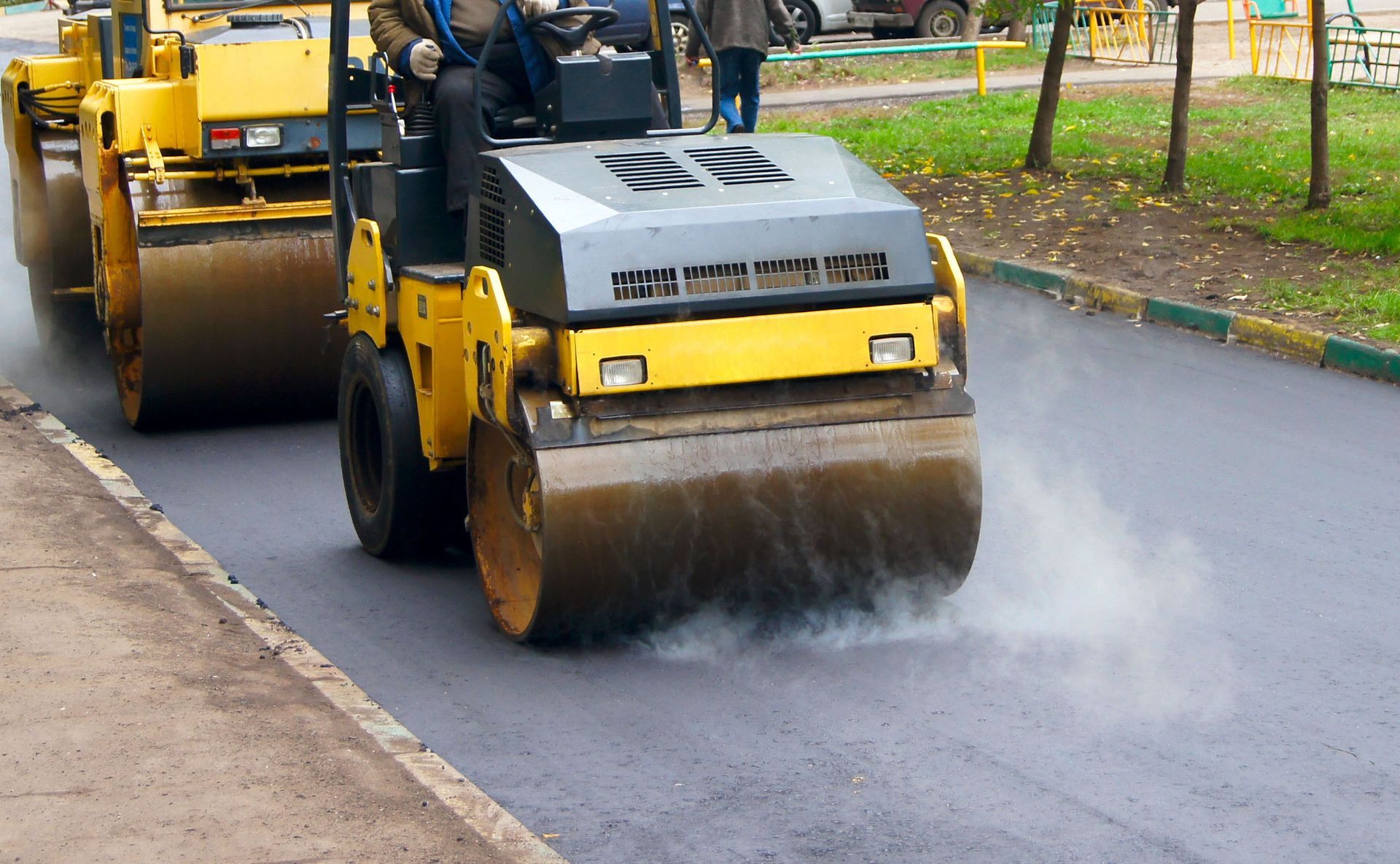
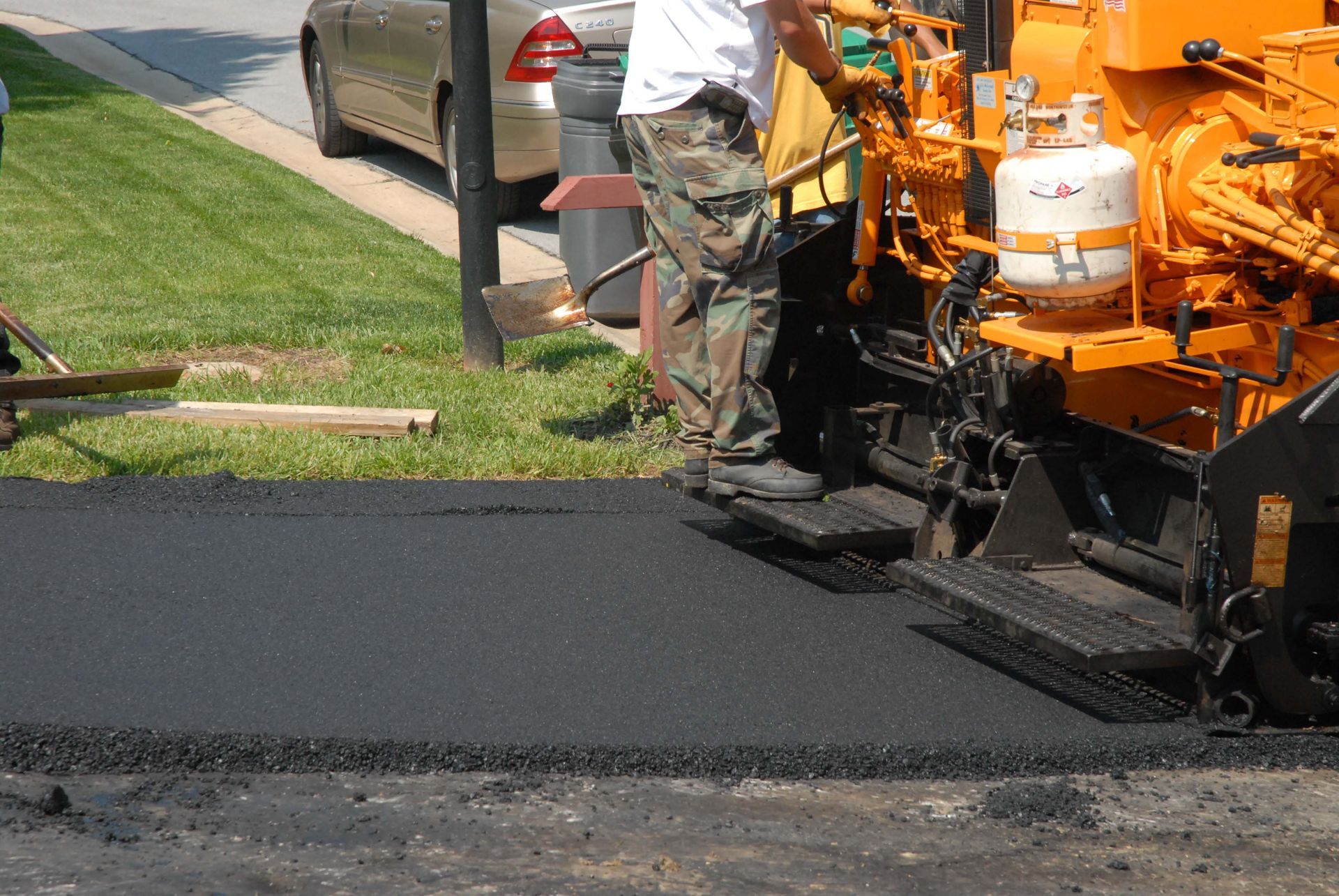
Installation quality influences how well asphalt performs after construction. The mixture must be placed and compacted correctly to create a dense, even surface. Poor compaction can leave air pockets that allow moisture to penetrate and reduce resistance to vehicle loads.
Experienced paving professionals understand how material selection, placement temperatures, and compaction work together. Correct installation helps asphalt driveways resist premature deformation. Homeowners should discuss anticipated vehicle weights and traffic frequency before the project begins.
Improving Driveway Performance Under Heavy Traffic
Planning for Frequent Vehicle Use
Driveways used several times daily experience different demands from those serving occasional traffic. Repeated movement over the same wheel paths can contribute to surface wear, particularly when the pavement was not designed for that level of use.
Homeowners should consider parking locations, turning areas, and access routes when planning a driveway. If delivery vehicles or recreational vehicles regularly visit, the layout and construction specifications should accommodate their movement. Distributing traffic where practical can also reduce concentrated wear.
Managing Heavy Parking Loads
Stationary vehicles can place sustained pressure on asphalt, particularly during warm weather when the surface becomes more susceptible to deformation. Heavy recreational vehicles, trailers, and work trucks may create indentations if they remain parked in the same location for extended periods.
Homeowners should avoid repeatedly concentrating heavy loads on areas showing signs of softening or settlement. If a large vehicle will be parked regularly, discussing that requirement during the design stage helps ensure sufficient structural support.
Allowing Newly Installed Asphalt to Set
Freshly installed asphalt needs time to cool and gain sufficient stability before vehicles use it. Driving or parking too soon can leave tire marks, create indentations, or damage the surface. Heavy vehicles increase this risk because they place greater pressure on new pavement.
According to HomeGuide, at least 24 to 48 hours should pass before driving or parking on newly installed asphalt driveways. Actual readiness varies with weather, temperature, and installation conditions, so homeowners should follow their paving contractor's instructions. Waiting helps protect the surface during its early stages.
Maintaining Long-Term Pavement Durability
Inspecting the Surface Regularly
Routine inspections help homeowners identify damage before it spreads. Look for cracks, wheel-path depressions, crumbling edges, standing water, and uneven areas in their asphalt driveways. Pay particular attention to locations where heavy vehicles turn, stop, or remain parked.
Seasonal inspections can reveal problems caused by temperature changes, rainfall, or winter conditions. When damage progresses or suggests foundation movement, a professional assessment can help determine the appropriate solution.
Addressing Minor Damage Promptly
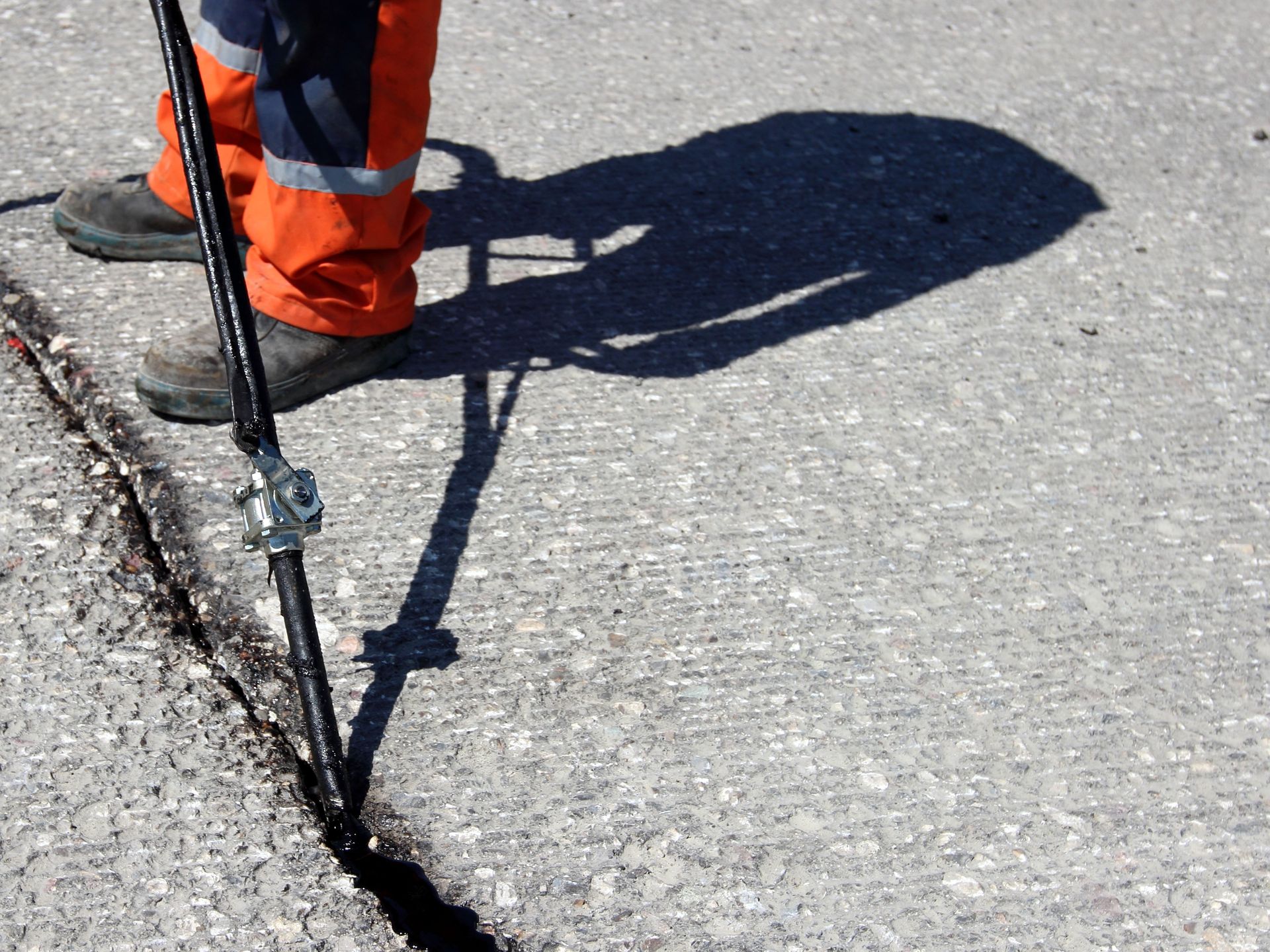
Small cracks and isolated defects can allow water to penetrate the pavement. Sealing suitable cracks and repairing damaged areas helps limit moisture intrusion and prevent deterioration. However, surface repairs cannot resolve structural weaknesses caused by an unstable base or excessive loading.
Professional evaluation is useful when potholes return after repairs or ruts continue to deepen. These patterns may indicate that the pavement needs structural attention rather than another superficial patch.
Protecting the Pavement From Environmental Wear
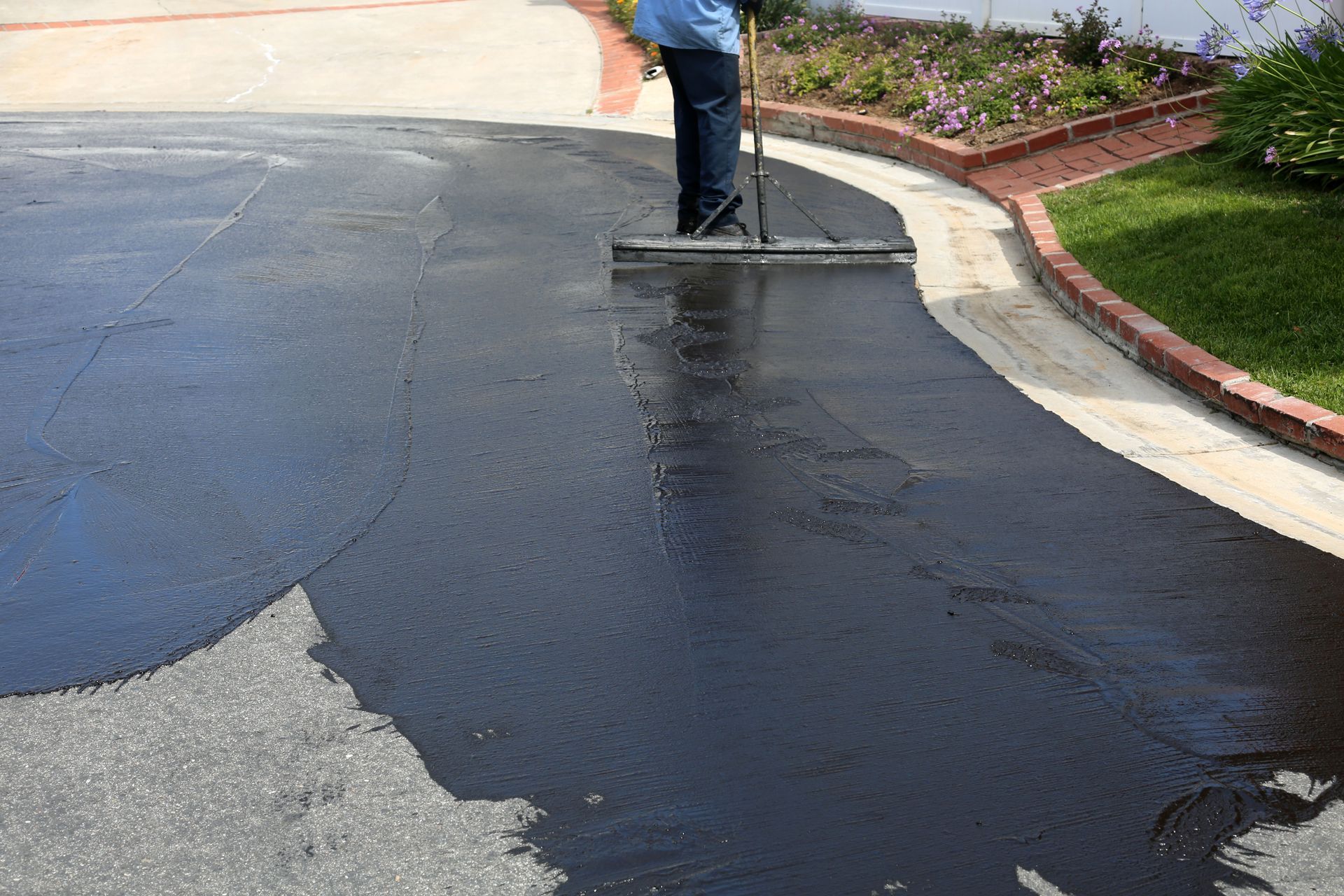
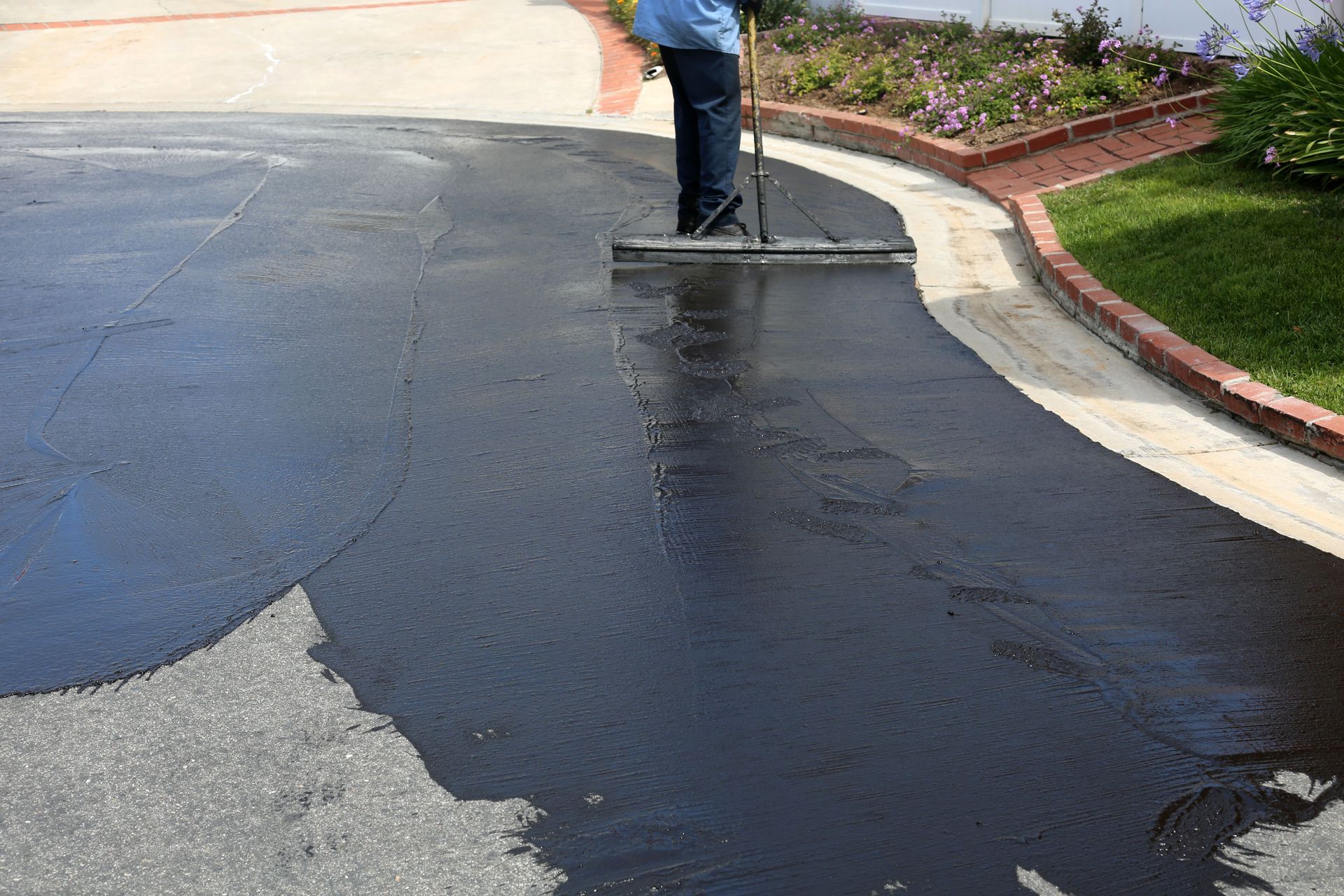
Sunlight, moisture, temperature fluctuations, and vehicle fluids can gradually affect asphalt. Appropriate sealcoating helps protect the surface from oxidation and moisture penetration, although it cannot correct structural weaknesses or replace necessary repairs.
Homeowners should follow professional recommendations for sealcoating intervals and allow treatments to cure before using the driveway. Combined with drainage management and timely repairs, these measures help preserve pavement condition.
Choosing the Right Driveway Solution
Matching Materials to Property Needs
Asphalt is a practical option for many residential properties because it provides a smooth surface and allows damaged areas to be repaired. Concrete may suit some heavy-load applications, while properly installed pavers offer design flexibility. Each material has different installation requirements, costs, and maintenance considerations.
The best choice depends on soil conditions, anticipated vehicle weights, available space, budget, and preferred appearance. Homeowners should consider how the driveway will be used throughout its expected service life rather than choosing based on cost alone.
For homeowners planning new asphalt driveways or upgrading existing surfaces, Fulena Pavers can help evaluate paving needs and identify suitable options. Contact the team to discuss your project and plan a driveway around your vehicle requirements, site conditions, and long-term goals.



Share On: