Local Paving Companies 101: What to Know
Paving is an essential aspect of property development, both residential and commercial, affecting not only the appearance but also the longevity and functionality of a site. Quality paving enhances curb appeal, increases property value, and ensures safety and convenience for users. When done properly, it can add years of service life to driveways, sidewalks, and parking lots. This article serves as a comprehensive guide to understanding what local paving companies offer, highlighting key factors to consider when choosing a service provider. By understanding these factors, property owners can make informed decisions that lead to satisfactory and enduring paving results.
1. Understanding the Services Offered by Paving Companies
1.1. Residential Paving Services
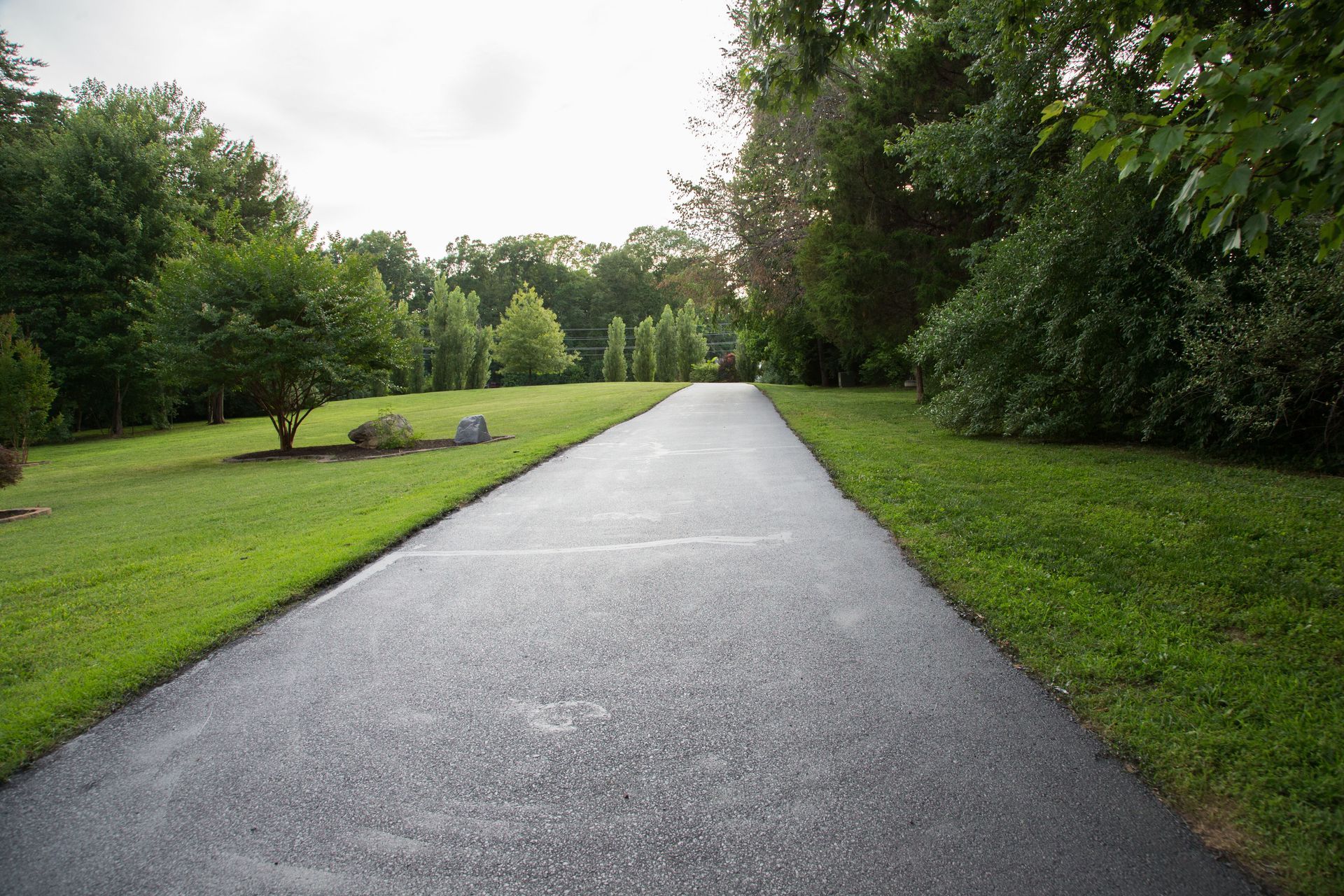
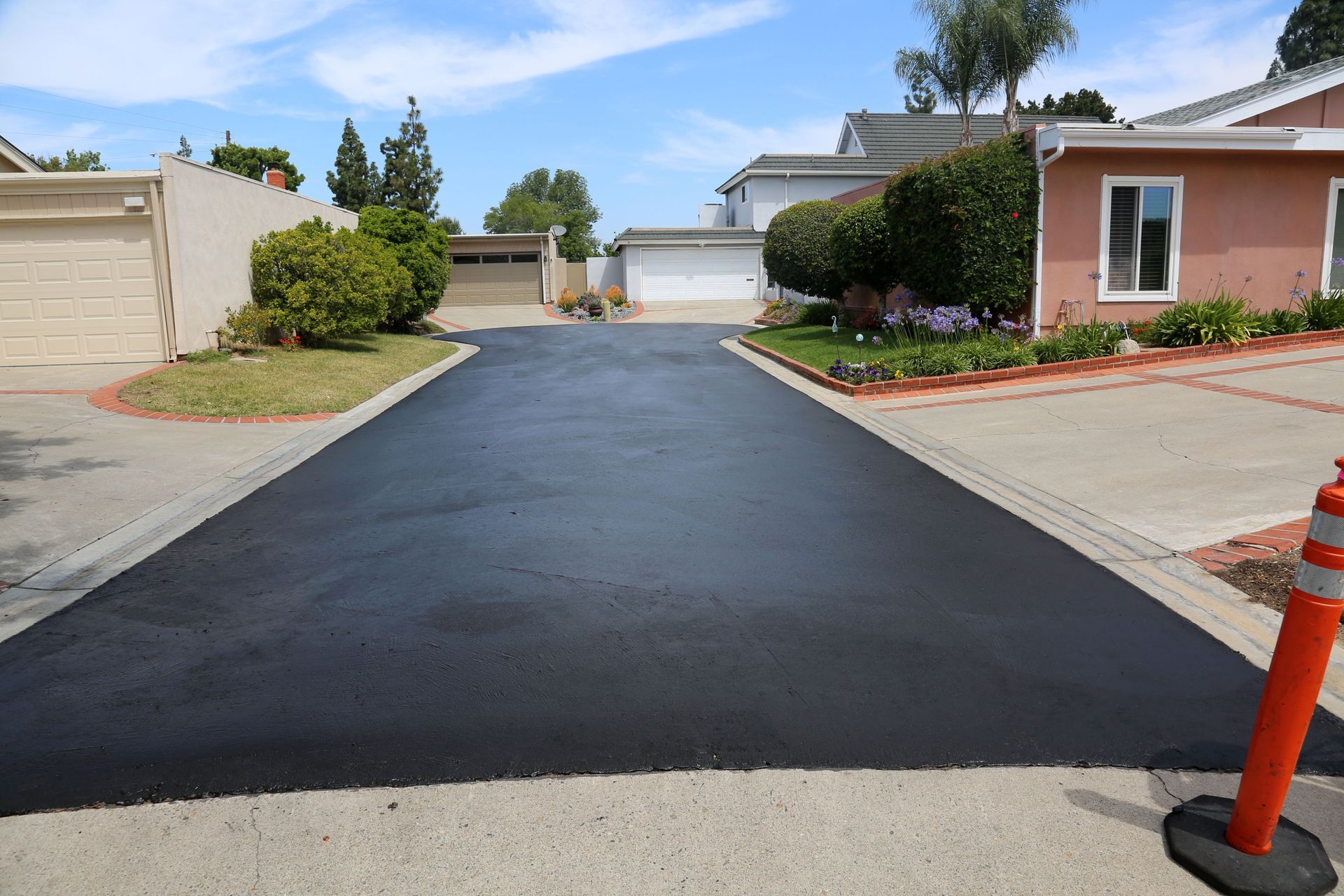
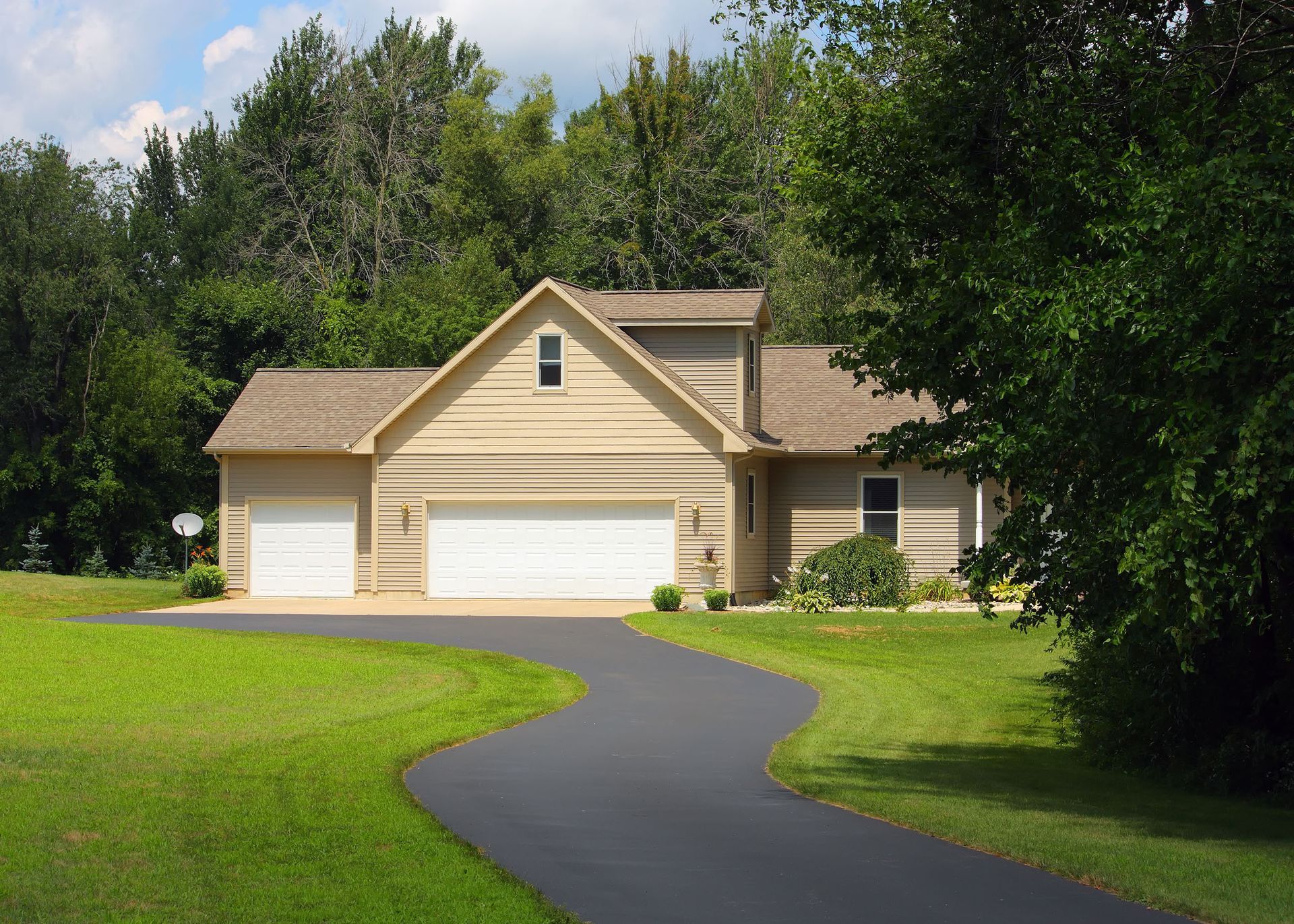
Residential paving services primarily involve the installation of driveways, patios, and sidewalks, customized to fit the aesthetic and practical needs of homeowners. These services focus on enhancing the curb appeal, providing a durable surface that withstands daily wear and tear from cars and weather conditions. Services may also include repairs and maintenance, which extend the lifespan of existing pavements. In addition to functional benefits, residential paving can add significant value to the property by improving its overall visual appeal. Choosing the right materials and design is crucial, as they should complement the home’s architecture and landscaping.
1.2. Commercial Paving Solutions
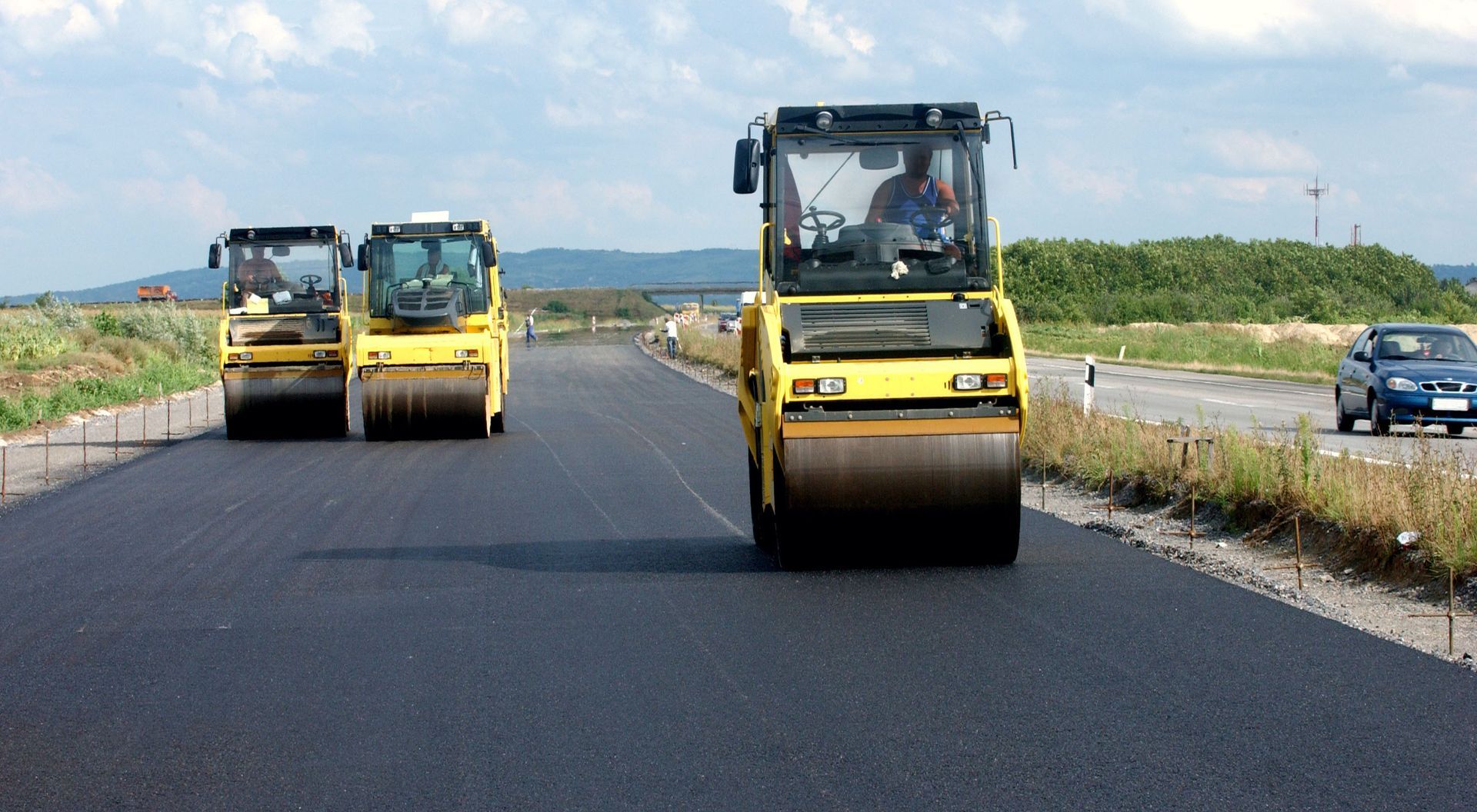
Commercial paving encompasses a broader range of services compared to residential paving, as it includes large projects such as parking lots, walkways, and pathways for business premises. High-traffic areas require robust solutions that cater to increased wear and heavier loads. Paving companies thus offer tailored solutions that meet these demands, using materials that optimize durability and safety. Proper marking and signage are also part of commercial paving to ensure compliance with regulations and enhance accessibility. These solutions often involve more substantial projects that necessitate careful planning and coordination to minimize disruption to business operations.
1.3. Driveway and Sidewalk Installations
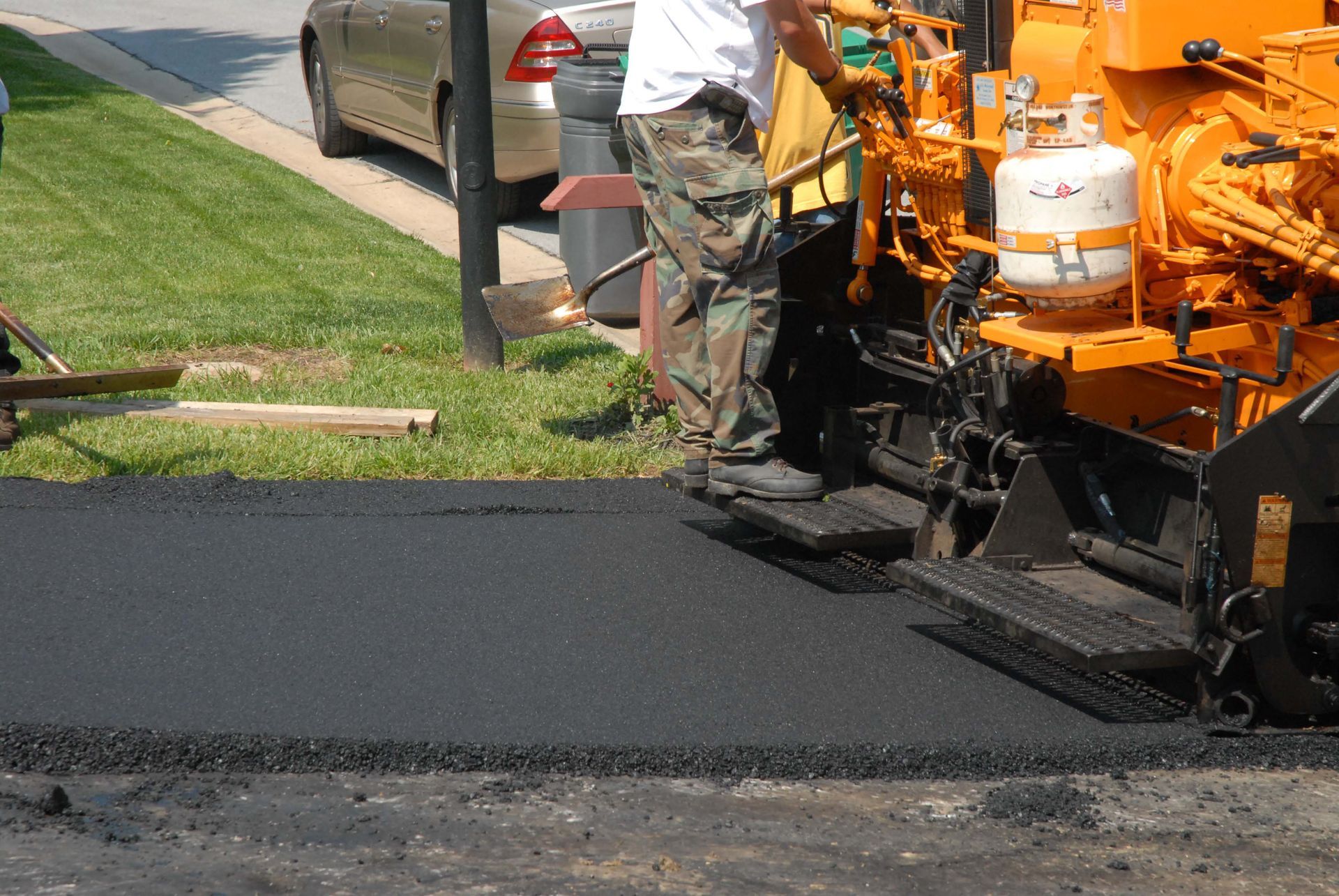
Driveway and sidewalk installations are critical components of both residential and commercial properties. A well-constructed driveway or sidewalk not only ensures durability and longevity but also adds to the aesthetic quality of the landscape. These installations require precise workmanship to ensure proper drainage and stability. Paving companies typically offer a variety of materials, such as asphalt, concrete, and pavers, each with unique benefits. As these surfaces endure daily use and exposure to various weather conditions, selecting an appropriate material is essential for a lasting outcome.
1.4. Repair and Maintenance
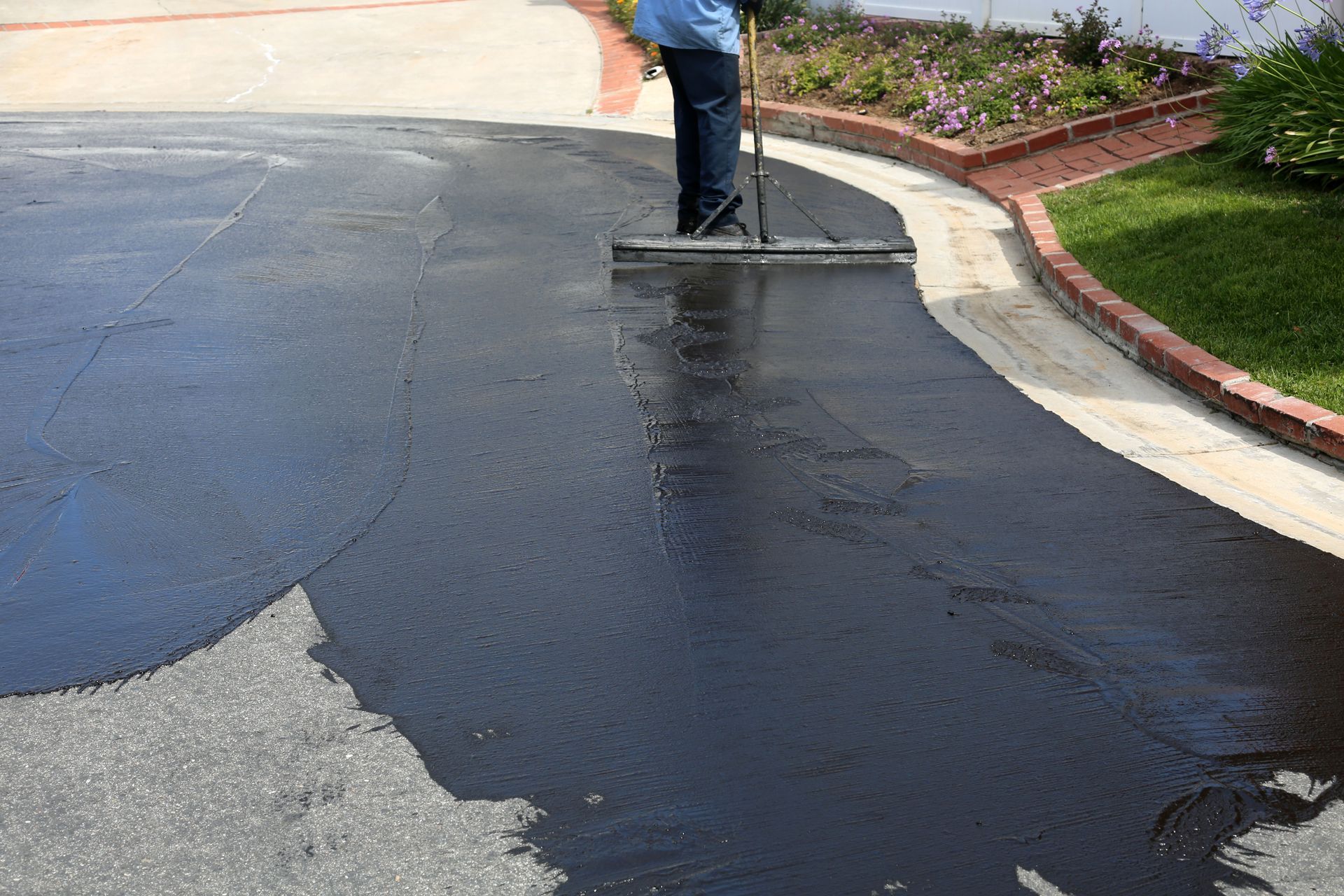
The maintenance and repair of paving work are crucial to prolonging the life and appearance of the pavement. Services include sealing, crack filling, and patching, which address wear, weathering, and damage due to traffic. Regular maintenance prevents costly repairs by mitigating the progression of minor issues into major structural problems. Paving companies offer customized maintenance schedules based on the specific needs and conditions of the pavement. This proactive approach ensures the pavement remains safe, visually appealing, and efficient in its functionality over time.
1.5. Decorative and Custom Paving Designs
Decorative and custom paving designs cater to those seeking to enhance aesthetics with unique patterns, colors, and materials. Such designs provide an opportunity to personalize pavement, turning functional spaces into visually captivating areas. Options like stamped concrete or colored asphalt can mimic the appearance of stone, brick, or tile, offering high-end looks without the associated costs. These specialized services require skilled craftsmanship and a keen eye for design to ensure a harmonious integration with existing landscapes. Homeowners and businesses can thus leverage these options to make a distinctive statement with their outdoor spaces.
2. Key Factors in Selecting a Local Paving Company
2.1. Licensing and Certification
When selecting a paving company, licensing and certification are indicative of professionalism and adherence to industry standards. These credentials ensure that the company is legally recognized and qualified to perform the required work. A licensed company tends to follow regulations that enhance safety and quality outcomes for paving projects. Certification may also reflect specialized training or expertise, beneficial for projects requiring advanced skills or techniques. Property owners should verify these credentials during the selection process to mitigate risks associated with unlicensed and potentially substandard workmanship.
2.2. Experience and Track Record
Experience and a strong track record are critical indicators of a paving company’s capability to deliver satisfactory results. Companies with extensive experience tend to have honed their skills over numerous projects, leading to efficient problem-solving and execution. A proven track record demonstrates a history of successful projects and satisfied clients, reassuring new clients of expected quality. Experience also suggests familiarity with a wide range of materials and technologies, allowing for tailored solutions to suit specific project requirements. Prospective clients can assess a company's credibility by reviewing completed projects and available client references.
2.3. Customer Reviews and Testimonials
Customer reviews and testimonials provide insight into the reliability and quality of service offered by paving companies. Positive reviews reflect client satisfaction and the company’s capacity to meet or exceed expectations. They offer firsthand accounts of the company’s approach to communication, problem resolution, and overall project management. Testimonials also serve as personal recommendations, which are often trusted by prospective clients when making decisions. It’s important for property owners to consider both positive and negative feedback, as they highlight potential strengths and areas for improvement.
2.4. Insurance and Liability Protection
Insurance and liability protection are essential considerations when hiring a paving company, safeguarding both parties against unforeseen incidents during the project. Comprehensive insurance coverage, including workers' compensation and general liability, protects property owners from potential financial ramifications of accidents or damage. This implies that the company takes responsibility for its operations and employee safety. Customers should request proof of insurance before work begins to ensure their interests are protected. This assurance provides peace of mind, knowing that the project is backed by credible financial safeguards.
3. Materials Used in Paving: Pros and Cons
3.1. Asphalt: Durability and Cost
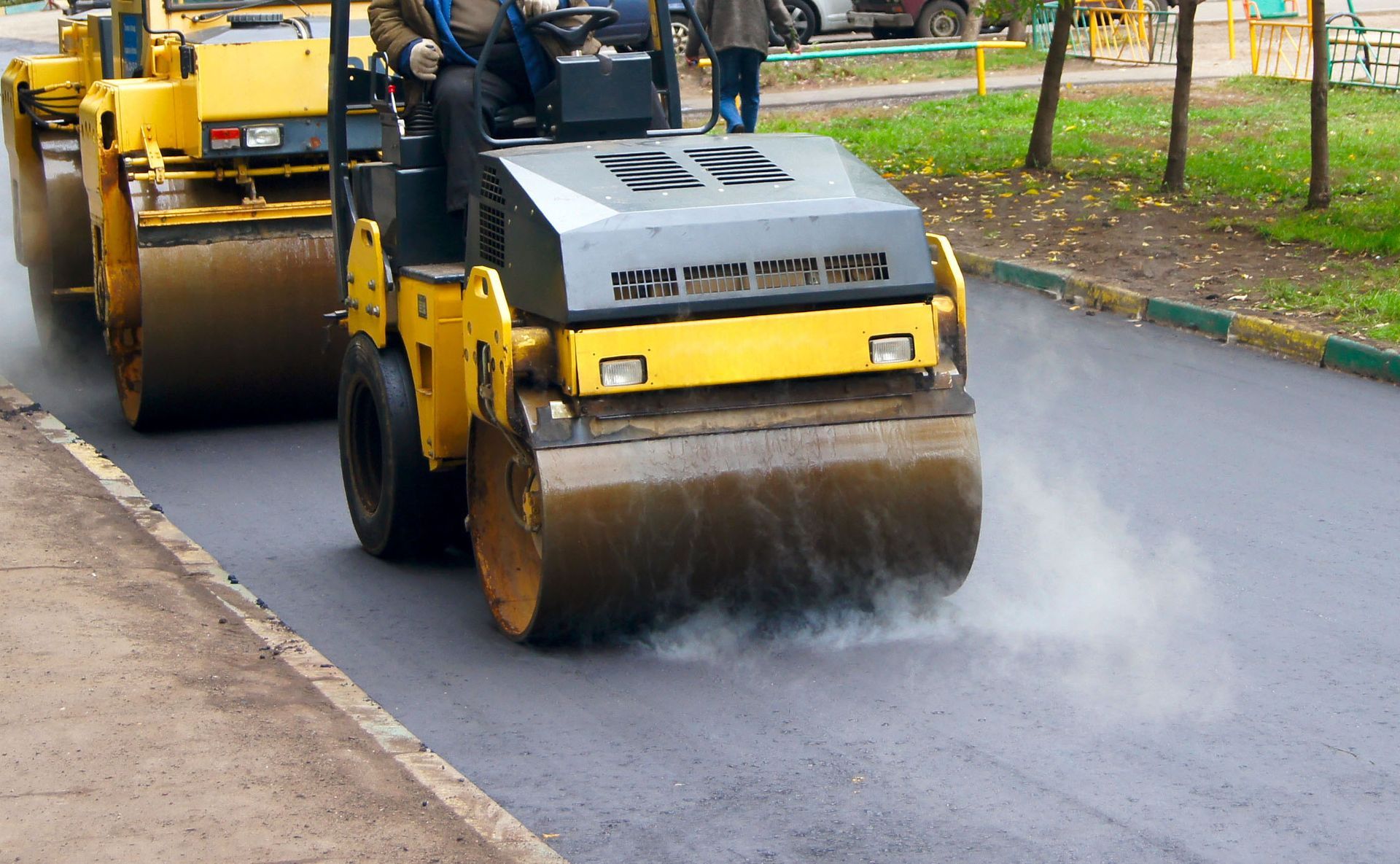
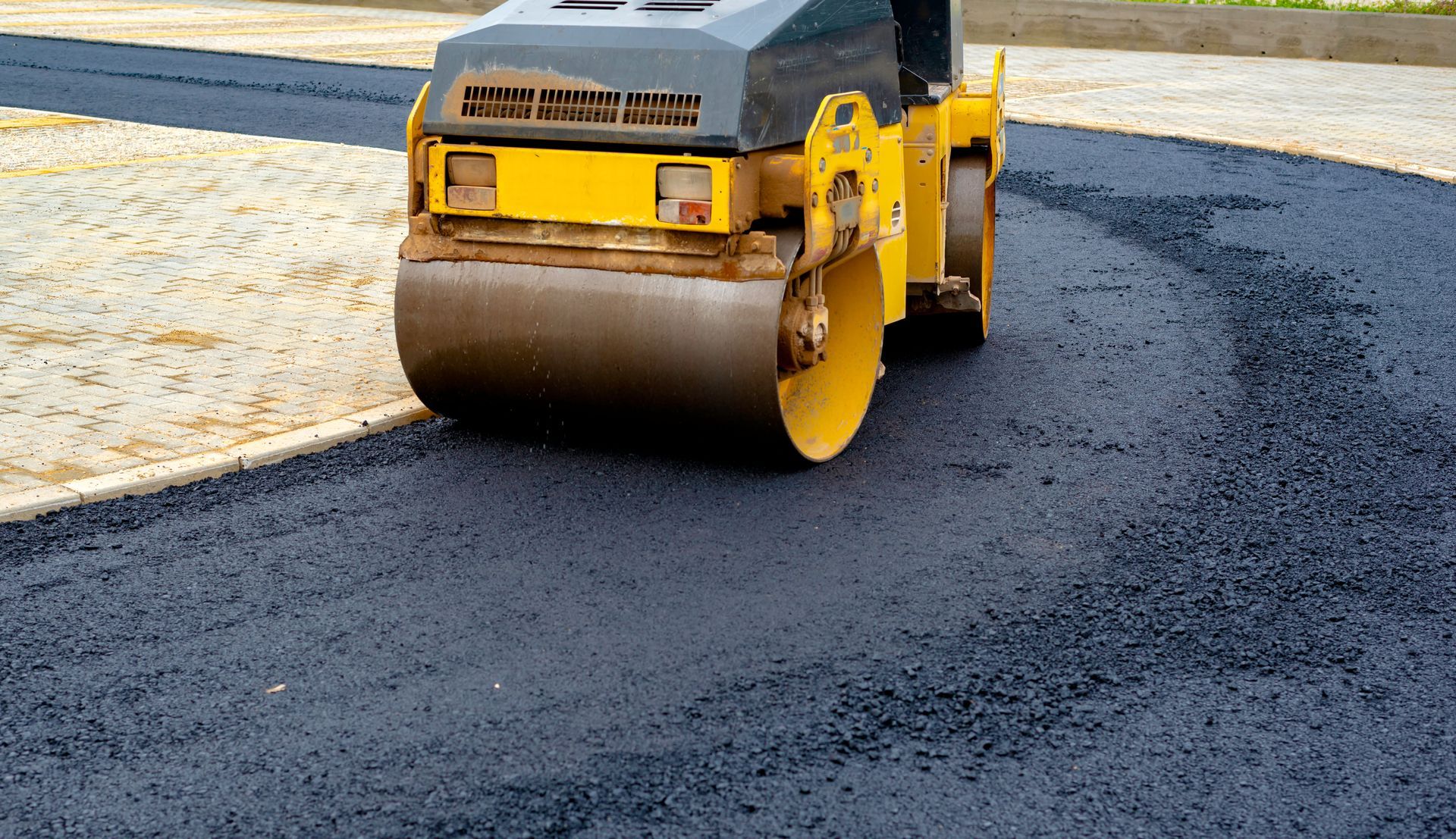
Asphalt is a popular material choice for paved surfaces due to its cost-effectiveness and durability, suitable for both residential and commercial applications. This Old House reports that asphalt driveways can endure extreme temperatures, heating surfaces as high as 150 degrees Fahrenheit, making them ideal for regions with diverse weather conditions. Asphalt's flexibility allows it to withstand minor ground movements and freeze-thaw cycles. Installation and curing are relatively quick, reducing the time properties are out-of-service. However, routine maintenance, such as sealing and crack repairs, is necessary to prevent long-term degradation.
3.2. Concrete: Versatility and Longevity
Concrete is lauded for its versatility, strength, and long lifespan, often chosen for its clean, modern appearance. It's suitable for a variety of surfaces, including driveways, walkways, and patios, and offers a range of finishing options, from smooth to stamped textures. Concrete is less prone to ruts and surface deformations compared to asphalt, providing a stable and even surface. Its longevity (typically lasting 30+ years under proper care) reduces the need for frequent replacements, although upfront costs are higher. Regular maintenance, such as sealing to prevent staining and cracking, is key to preserving its condition over time.
Gravel is an affordable paving option offering a rustic aesthetic, commonly used for rural or low-traffic areas. Its permeability aids in drainage, reducing the risk of erosion and flooding, which is advantageous in areas prone to heavy rainfall. Installation is simple and quick, allowing for immediate use once completed. While gravel is initially cost-effective, it requires frequent replenishment and maintenance to combat displacement and weed growth. Due to its loose nature, gravel may not be suitable for high-traffic areas or those requiring wheelchair accessibility. According to This Old House, asphalt driveways can endure extreme temperatures that heat the surface as high as 150 degrees Fahrenheit. Be sure to reach out to Fulena Pavers today to learn more about our professional
local paving companies!

Share On: